


In a competitive home services market, an exterminator cannot rely on word of mouth alone to keep the calendar full. Pest problems are urgent, emotional, and highly local, which means marketing must help a company appear at the exact moment a homeowner or business is searching for help. A strong lead generation strategy combines visibility, trust, fast response, and ongoing follow-up so more inquiries become booked jobs.
TLDR: Exterminator marketing works best when it focuses on local search visibility, clear service pages, strong reviews, and fast booking options. Paid ads can generate immediate calls, while SEO, content, and referral systems build long-term lead flow. The most successful pest control companies track every lead source, respond quickly, and continue marketing to past customers for repeat seasonal services.
Building a Strong Local Online Presence
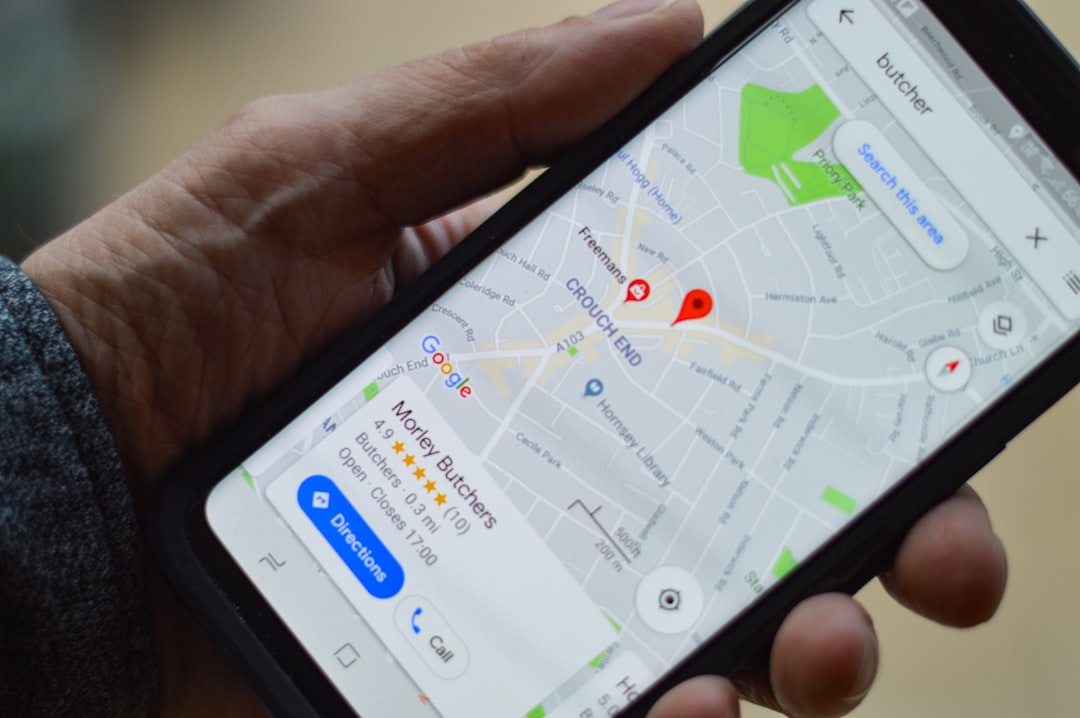
Most pest control leads begin with a local search such as “exterminator near me”, “termite treatment,” or “bed bug removal.” For that reason, local visibility is one of the most valuable marketing assets an exterminator can build. The company’s Google Business Profile should be complete, accurate, and updated regularly with service areas, business hours, photos, calls to action, and current offers.
Consistency is also important. The company name, address, and phone number should match across major directories, review sites, maps, and social profiles. Search engines use this information to determine whether a business is legitimate and relevant for local customers.
- Add primary services: rodents, termites, ants, roaches, spiders, fleas, ticks, mosquitoes, and bed bugs.
- Upload real photos: technicians, branded vehicles, equipment, office exterior, and completed jobs.
- Post updates: seasonal pest alerts, limited-time inspections, and prevention tips.
- Use service areas: include cities, neighborhoods, and nearby communities served.

Optimizing the Website for Leads
A website should not simply describe the company; it should convert visitors into booked inspections. Every important page should have a clear phone number, a fast quote form, and a direct booking option. Pest control customers often feel stressed, so the website must quickly communicate that help is available, trustworthy, and nearby.
Service pages should be specific rather than generic. A single page titled “Pest Control Services” is less effective than dedicated pages for termite control, bed bug treatment, rodent removal, mosquito control, and commercial pest management. Each page can explain warning signs, treatment options, pricing factors, safety standards, and expected results.
Strong conversion elements include:
- Click to call buttons on mobile devices.
- Short forms asking only for essential information.
- Emergency service messaging for urgent infestations.
- Trust badges such as licenses, insurance, certifications, and guarantees.
- Reviews and testimonials placed near contact forms.
The website should also load quickly and work smoothly on phones. Many customers search while dealing with a pest issue in real time, so slow pages or confusing navigation can cause them to call a competitor instead.
Using SEO to Capture High Intent Searches
Search engine optimization helps an exterminator appear in unpaid search results for valuable local keywords. Unlike paid advertising, SEO does not stop producing traffic the moment a campaign budget pauses. It takes time, but it can become one of the most profitable lead sources for a pest control company.
Effective SEO begins with keyword research. The company should identify the pests, locations, and customer problems that create demand. Examples include “termite inspection in Austin,” “how to get rid of German roaches,” and “commercial rodent control.” These searches show different levels of intent, from research to immediate booking.
Content can target both types of prospects. Service pages attract customers ready to hire, while blog articles build trust with people still learning about the issue. A helpful article about signs of termites, for example, can lead readers toward scheduling an inspection.
Running Paid Ads for Immediate Bookings
Paid advertising is especially useful for exterminators that need leads quickly. Google Search Ads allow a company to appear at the top of results when someone searches for emergency pest control or a specific treatment. Since these searches often show urgent intent, they can turn into calls and bookings rapidly.
Campaigns should be divided by service type and location. Termite leads may have a different value than ant removal leads, so bids, messages, and landing pages should reflect those differences. Ads should also include call extensions, location extensions, and scheduling language such as “Book an Inspection Today” or “Same Day Pest Control Available.”
Paid social ads can support awareness and seasonal demand. For example, mosquito control campaigns may perform well before summer, while rodent prevention ads may convert strongly in fall and winter. Retargeting ads can also remind previous website visitors to schedule service after they leave the site.
Generating More Reviews and Reputation Signals
Reputation is a major factor in pest control marketing because customers are inviting technicians into homes and workplaces. Positive reviews reduce uncertainty and make calls more likely. An exterminator should have a simple, repeatable review request process after each completed job.
Technicians can mention the review request in person, while the office sends a follow-up text or email with a direct review link. The message should be short, polite, and timed soon after service when the customer is most satisfied. Companies should also respond to reviews, including negative ones, in a professional and calm manner.
Review content can also provide marketing insights. If customers frequently praise punctuality, pet-safe treatments, or clear communication, those points should appear in ads, website headlines, and sales scripts.
Creating Offers That Encourage Action
Many prospects compare several exterminators before booking. A clear offer can help one company stand out. The offer does not always need to be a steep discount; it can be a free inspection, seasonal prevention package, bundled service, or satisfaction guarantee.
Successful offers are specific and easy to understand. For example, “Free termite inspection for homeowners in the service area” is stronger than a vague “Call for savings.” The offer should match the customer’s problem and appear consistently on ads, landing pages, emails, and printed materials.
Improving Speed to Lead
Fast response is one of the simplest ways to increase bookings without increasing advertising spend. When a homeowner discovers bed bugs or hears scratching in the attic, they often call several companies. The exterminator that answers first, explains the next steps clearly, and offers a convenient appointment time usually has the advantage.
Companies should track missed calls, form response times, and after-hours inquiries. If many leads arrive outside business hours, an answering service, chatbot, or online scheduling tool may improve results. Even an automated confirmation message can reassure the prospect that help is on the way.
Using Email and SMS Follow Up
Not every lead books immediately, and not every completed job should be treated as the end of the relationship. Email and SMS campaigns can help exterminators follow up with estimates, remind customers about seasonal treatments, and promote routine maintenance plans.
Follow-up sequences may include:
- Estimate reminders for leads that requested pricing but did not schedule.
- Post-service check-ins to confirm satisfaction and request reviews.
- Seasonal alerts about mosquitoes, termites, ants, or rodents.
- Maintenance plan reminders for quarterly or annual pest control.
These campaigns should be helpful rather than overwhelming. Messages that educate customers and offer timely solutions tend to perform better than constant promotions.
Building Referral and Partnership Channels
Referral marketing can produce high-quality leads because trust is transferred from one person or business to another. Pest control companies can encourage referrals from satisfied customers with small incentives, service credits, or loyalty rewards.
Partnerships can also be powerful. Real estate agents, property managers, home inspectors, landlords, restaurants, warehouses, and cleaning companies often encounter pest issues before customers search online. A professional referral program can turn these relationships into a steady source of bookings.

Marketing Commercial Pest Control Services
Commercial pest control requires a different message than residential service. Businesses care about compliance, prevention, documentation, and minimal disruption. Marketing materials should highlight discreet service, inspection reports, integrated pest management, and experience with specific industries.
Dedicated landing pages can target restaurants, apartments, hotels, schools, offices, healthcare facilities, and warehouses. Case studies and testimonials from business clients can strengthen credibility. For commercial prospects, the sales cycle may be longer, so consistent follow-up and educational content are especially important.
Tracking Results and Improving Campaigns
Lead generation becomes more profitable when every campaign is measured. An exterminator should know which channels produce calls, forms, booked appointments, and completed revenue. Call tracking numbers, website analytics, CRM reports, and campaign dashboards can reveal what is working.
Important metrics include:
- Cost per lead by channel.
- Booking rate from calls and forms.
- Cost per booked job instead of only cost per click.
- Customer lifetime value for recurring service plans.
- Revenue by service type to identify the most profitable campaigns.
Once the data is clear, the company can increase spending on profitable campaigns and reduce waste. Small improvements in landing pages, ad copy, response time, and follow-up can create a large increase in monthly bookings.
Conclusion
Exterminator marketing succeeds when it matches the urgency and locality of pest control demand. A company that appears in search results, earns strong reviews, provides clear service information, and responds quickly will have a better chance of turning anxious prospects into paying customers. By combining SEO, paid ads, reputation management, follow-up systems, and referral partnerships, a pest control business can create a steady pipeline of leads and long-term bookings.
FAQ
What is the best marketing strategy for an exterminator?
The best strategy usually combines local SEO, Google Business Profile optimization, paid search ads, strong reviews, and a conversion-focused website. This mix captures both immediate and long-term demand.
How can a pest control company get more local leads?
A pest control company can get more local leads by ranking for city-based service keywords, collecting positive reviews, using location-specific landing pages, running targeted ads, and responding quickly to calls and forms.
Are Google Ads worth it for exterminators?
Google Ads can be worth it because pest control searches often have high intent. To be profitable, campaigns should be tracked carefully, divided by service type, and connected to landing pages that encourage immediate booking.
How important are reviews for pest control marketing?
Reviews are extremely important. Customers want proof that technicians are reliable, safe, and effective. A steady stream of positive reviews can improve trust, search visibility, and conversion rates.
What should an exterminator include on a service page?
A service page should include the pest problem, warning signs, treatment process, service area, guarantees, safety information, reviews, frequently asked questions, and a clear call to action for scheduling.
How often should pest control companies market to past customers?
Past customers should receive timely, seasonal messages a few times per year, especially before common pest activity increases. Maintenance reminders, prevention tips, and renewal offers can encourage repeat bookings without feeling intrusive.



What Is Dolby Vision: A Complete Guide to Dolby Vision HDR, Dynamic Metadata, Supported Devices, and Video Quality
Dolby Vision is one of the most advanced HDR formats for home video because it can adjust brightness, contrast, and…