


Bid on branded keywords when the search results threaten your revenue, not simply because your company name is available to buy. Brand search can be cheap, protective, and high-converting. It can also be a quiet budget drain when organic listings already win the click and no competitor is near the page.
TLDR: Branded paid search makes sense when competitors, affiliates, resellers, or review sites are stealing clicks from people who already want you. For example, if your brand searches bring 10,000 monthly impressions and a rival ad gets 18% of top-page visibility, a defensive campaign at $0.40 CPC may protect thousands in sales. But if you rank first organically, own the map pack, and see no paid competitors, bidding on your own name can turn free clicks into paid ones. Test it before you assume it is “safe” spend.
Why brands bid on their own name
Branded keywords are searches that include your company, product, app, or service name. Think “Acme payroll software”, “Acme login”, or “Acme pricing.” These searches usually come from people with strong intent. They know you. They may be ready to buy, compare, renew, or contact support.
That is why paid search teams like brand campaigns. They often show:
- High click-through rates, because the ad matches the exact query.
- Low cost per click, especially if competitors are not bidding.
- Strong conversion rates, since searchers are already warm.
- Better message control, including prices, promos, phone numbers, and landing pages.
The problem is that high performance can be misleading. A brand campaign may report a 700% return on ad spend, yet many of those buyers might have clicked your organic result for free. That is the painful part. Paid search dashboards rarely shout, “You paid for clicks you already owned.”

When paid search protection makes sense
Brand bidding is most useful when it protects demand that could leak to someone else. That protection can be worth the money in several common cases.
1. Competitors are bidding on your brand
If a competitor appears above your organic result, the risk is obvious. They can intercept high-intent traffic with copy like “Compare Acme Alternatives” or “Acme Too Expensive?” It drives me crazy that some ad platforms make this easy to miss unless you pull auction insights often. A rival can appear for a few days, take orders, then disappear before the monthly report gets reviewed.
In this case, a branded ad can push your message back to the top. It also gives you more screen space. Your ad, organic listing, sitelinks, reviews, and map result can crowd out the competitor.
2. Your brand name is generic or easily confused
If your company is called something like Bright Home, Nova Health, or Northstar Studio, organic results may contain other businesses, directories, or unrelated content. Paid search helps confirm which result is yours. It reduces hesitation and wrong clicks.
3. You run time-sensitive offers
Organic titles can take time to update. Ads change fast. If you have a holiday sale, webinar, product launch, or limited trial, branded ads let you put that message in front of existing demand today.
4. You need to control the landing page
Not all brand searches should go to the homepage. Someone searching “Acme pricing” may need a pricing page. Someone searching “Acme demo” should hit a booking page. Someone searching “Acme support” should not burn sales budget, but may need a support ad if bad third-party results rank near the top.
Paid ads let you route intent more precisely. That can improve conversion and reduce user frustration.
5. Affiliates or resellers are crowding the results
Affiliate partners can create messy search results. Some are helpful. Others bid on your name, use discount language, then skim commission from customers who were already coming to you. If you pay affiliates and paid search for the same customer, the math gets ugly fast.
A brand campaign can help you keep direct traffic direct. Pair it with clear affiliate rules and regular search result checks.
When branded bidding wastes budget
Brand ads are not always smart. Sometimes they are just comfortable. They make reports look good because the intent was already there.
Watch for these warning signs:
- No competitors appear on your core brand terms for several weeks.
- Your organic result ranks first with strong sitelinks and clean copy.
- Your paid click share rises while total brand conversions stay flat.
- You bid on support queries that produce little revenue.
- Your agency reports blended ROAS without separating brand and non-brand campaigns.
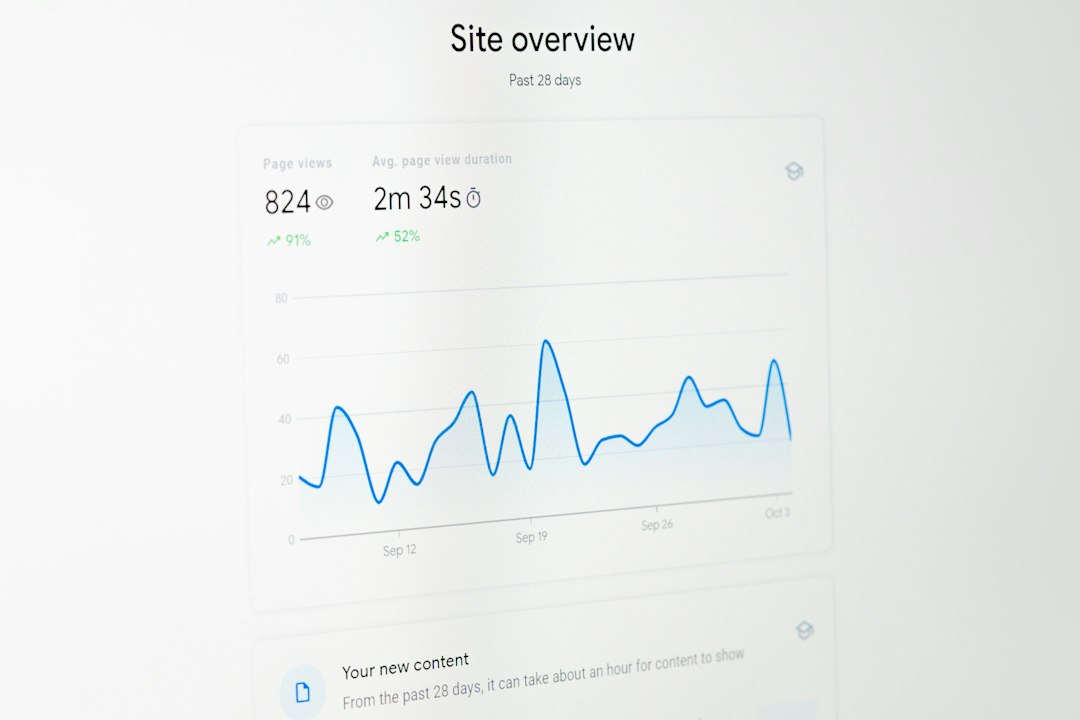
Honestly, it feels like a tiny tax on your own reputation when you pay for every returning customer who simply typed your name into Google. One ecommerce brand I audited spent $6,200 per month on branded ads. After a geo split test, only 22% of paid brand orders were incremental. The rest likely would have arrived through organic results, email, or direct traffic. That meant roughly $4,800 per month was doing very little.
How to test if brand bidding is incremental
The key question is simple: What happens if you stop? Do total sales fall, or do paid clicks shift to organic?
Use one of these test methods:
- Geo holdout test: Keep brand ads on in some cities or regions. Turn them off in similar regions. Compare total conversions, not just paid conversions.
- Time-based pause: Pause brand ads for a short, low-risk period. Avoid major sale weeks, PR events, and product launches.
- Query split: Keep ads on for risky terms like “brand alternative” or “brand coupon.” Pause ads for exact brand name terms.
- Device split: Test mobile and desktop separately. Mobile screens have less space, so ads may protect more traffic there.
Do not judge the test by paid search numbers alone. Paid conversions will drop when ads pause. That is obvious. The real measure is total conversions from paid, organic, direct, and referral traffic combined.
Segment branded keywords by intent
Lumping every brand query into one campaign creates waste. Break them into groups, then set bids based on value and risk.
- Core brand: Your exact company name. Test carefully. This may have low incremental value if organic is strong.
- Brand plus buy terms: “pricing,” “demo,” “quote,” “subscribe.” These often deserve strong coverage.
- Brand plus competitor terms: “alternative,” “vs,” “reviews.” These are defensive and can influence decisions.
- Brand plus support terms: “login,” “phone number,” “help.” Keep bids low unless support results are messy or revenue is attached.
- Brand plus coupon terms: Watch these closely. Coupon sites can drain margin and affiliate commission.
This structure makes reporting cleaner. It also stops support clicks from hiding inside a campaign that looks profitable because demo searches convert well.
Set rules so protection does not become habit
Brand protection should have conditions. If nobody is bidding against you, lower bids. If organic owns the page, test a pause. If competitors return, raise coverage again.
Good rules include:
- Review auction insights weekly for core brand terms.
- Cap CPCs on exact brand searches.
- Exclude employees, internal IPs, and job seekers where possible.
- Add negative keywords for careers, free support, complaints, and unrelated meanings.
- Separate brand budgets from growth budgets.
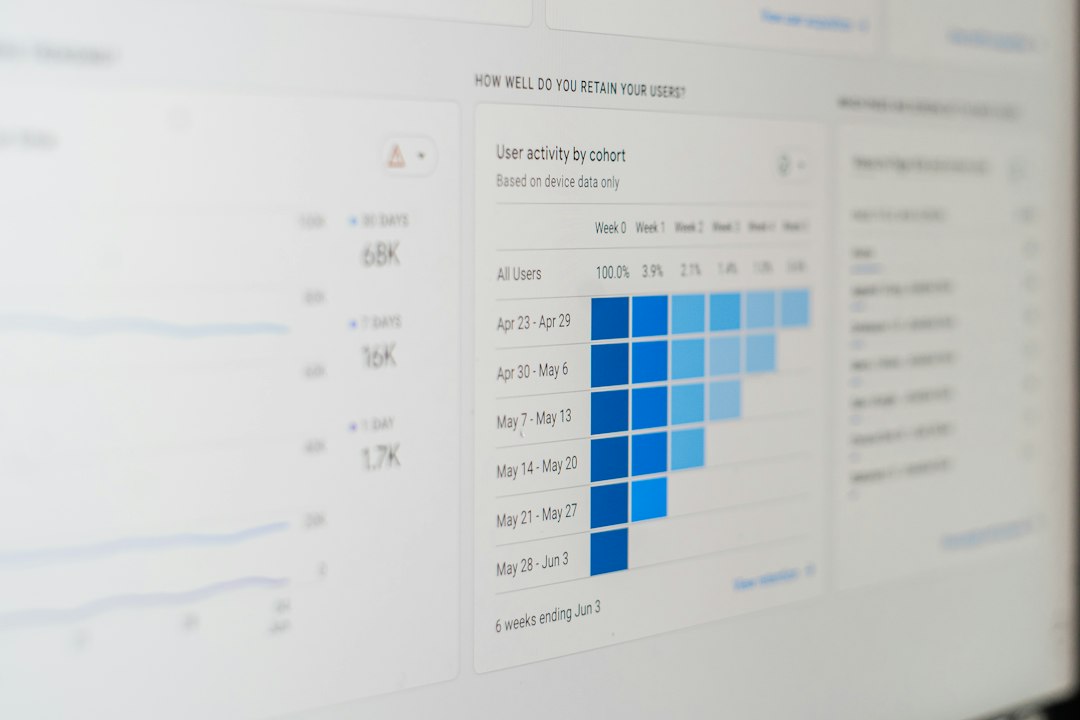
- Report incremental lift, not just ROAS.
The smart middle ground
You do not need an all-or-nothing answer. Many brands should bid on some branded terms, at some times, with strict limits. Protect high-value searches. Defend against competitors. Promote offers when speed matters. But do not let a pretty ROAS number fool you.
The best branded search strategy is controlled, tested, and trimmed often. If the ads protect revenue you might lose, keep them. If they only replace free organic clicks with paid ones, cut back and use that budget on new demand.



How to Remove Sound From an iPhone Video: iMovie vs. CapCut
For a simple mute, iMovie is usually the safer choice on an iPhone; for social edits with music, captions, and…