

Pick Framer for fast, cinematic landing pages. Pick Webflow when the immersive site also needs a strong CMS, client editing, and deeper site structure. Experiential websites are not normal pages. They feel like a mini product demo, a story, or a ride. That sounds fun. It also gets heavy fast. The median web page now often sits above 2 MB, so every big video, 3D object, and scroll effect has a cost [source: HTTP Archive].
TLDR: Use Framer if you want to launch a sleek, animated product story in days, not weeks. Use Webflow if your immersive site has many pages, blog posts, case studies, and client updates. For example, a startup with one hero product could build a scroll-based launch page in Framer and test two versions of the page in a week. A studio with 40 case studies may save hours each month in Webflow because the CMS keeps content tidy.
What is an experiential website?
An experiential website is a site that makes people feel something.
It may use:
- Scroll animation that reveals a story step by step.
- Micro interactions on buttons, cards, menus, and cursors.
- Full-screen video or motion graphics.
- 3D objects that spin, float, or react.
- Sound, texture, and mood.
- Interactive demos instead of plain screenshots.
Think of a sneaker launch. The shoe rotates as you scroll. The sole splits into layers. The colors snap into place. You are not just reading. You are playing.
Webflow in plain English
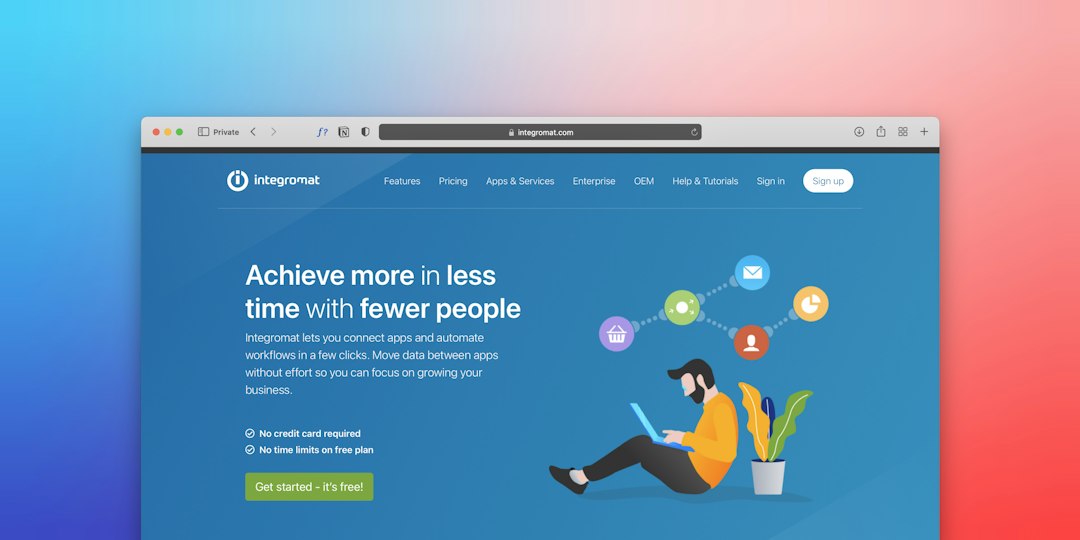
Webflow is a visual website builder with serious production power. It gives you layout control, a CMS, hosting, forms, SEO tools, and animation tools. It feels closer to building a real website without writing every line of code.
For experiential work, Webflow is great when the site has structure. That means many pages. Many templates. Many content types. Many people touching the content.
You can build a rich homepage. Then you can build CMS-driven project pages. Each case study can have custom fields. Images. Videos. Credits. Tags. Dates. That is boring stuff. But boring stuff keeps big sites from turning into soup.
Webflow also has Interactions. These let you create scroll effects, hover states, page load animation, and element movement. You can build sticky scroll sections. You can fade text in. You can pin a product visual while the copy changes. Webflow explains these tools in its own lessons [source: Webflow University].
The catch is that Webflow’s animation panel can feel fussy. A simple scroll effect can take longer than expected because you may click through states, triggers, classes, and timelines. It works. But it asks for patience.
Framer in plain English
Framer feels like a design tool that publishes websites. It is fast. It is visual. It loves motion. It is especially good for modern landing pages, startup sites, portfolio pages, and product launches.
If you know Figma, Framer may feel friendly. You can design on a canvas. You can add sections. You can create components. You can publish without a huge handoff.
Framer shines when the site is focused. One main story. One strong offer. One product. One campaign. It is very good at making things feel smooth and current.
Want a headline that glides in? Easy. Want cards that float on hover? Easy. Want a sticky product view while text changes beside it? Also easy. Framer gives you a fast path from idea to “wow, this looks real.”
Honestly, it feels like Framer removes a few annoying steps. You can often make a polished interaction without opening five panels and questioning your life choices.

So which one makes better immersive sites?
Framer usually wins for speed and visual punch. It is great when the site is a crafted experience. Short. Sharp. Animated. Built to impress on first visit.
Webflow usually wins for larger real-world websites. It is better when the experience is only one part of the system. You may need a blog. A resource hub. Search pages. CMS filters. Team editing. Custom code. More page types.
Here is the simple split:
- Choose Framer for launch pages, pitch sites, portfolios, waitlists, app pages, and product stories.
- Choose Webflow for agency sites, content-heavy brands, editorial sites, SaaS websites, and marketing systems.
Design freedom
Both tools give you strong visual control.
Framer feels lighter. You can move fast. You can create slick layouts without feeling buried in web rules. This is great for designers. It is also risky. If you ignore spacing, breakpoints, and performance, your beautiful page can wobble on mobile.
Webflow feels more exact. Classes, divs, grids, flex layouts, and breakpoints are closer to front-end thinking. This can slow you down at first. But it also helps you build cleaner systems.
If your team has designers who want speed, Framer is fun. If your team has designers who think in reusable sections and content models, Webflow feels safer.
Animation and scroll effects
This is the juicy part.
Framer makes motion feel natural. You can create page transitions, hover states, scroll reveals, and component variants with less pain. The final result often feels premium with less setup.
Webflow can do a lot too. It can create advanced scroll scenes and rich movement. But the learning curve is steeper. It rewards people who like control. It punishes rushed work.
For a single immersive homepage, Framer may get you there faster. For a full site where animations must stay consistent across 25 pages, Webflow may hold up better.
CMS and content
This is where Webflow punches hard.
Webflow’s CMS is mature. You can create collections for case studies, jobs, posts, products, events, and team members. Then you design one template and reuse it. That saves time.
Framer has CMS features too. They are useful. They work well for lighter content needs. But Webflow still feels stronger when content is a core part of the site.
If your immersive site has five pages, Framer is fine. If it has 500 CMS items, think carefully. Webflow is probably the calmer choice.
Performance and load time
Immersive sites can become heavy little monsters.
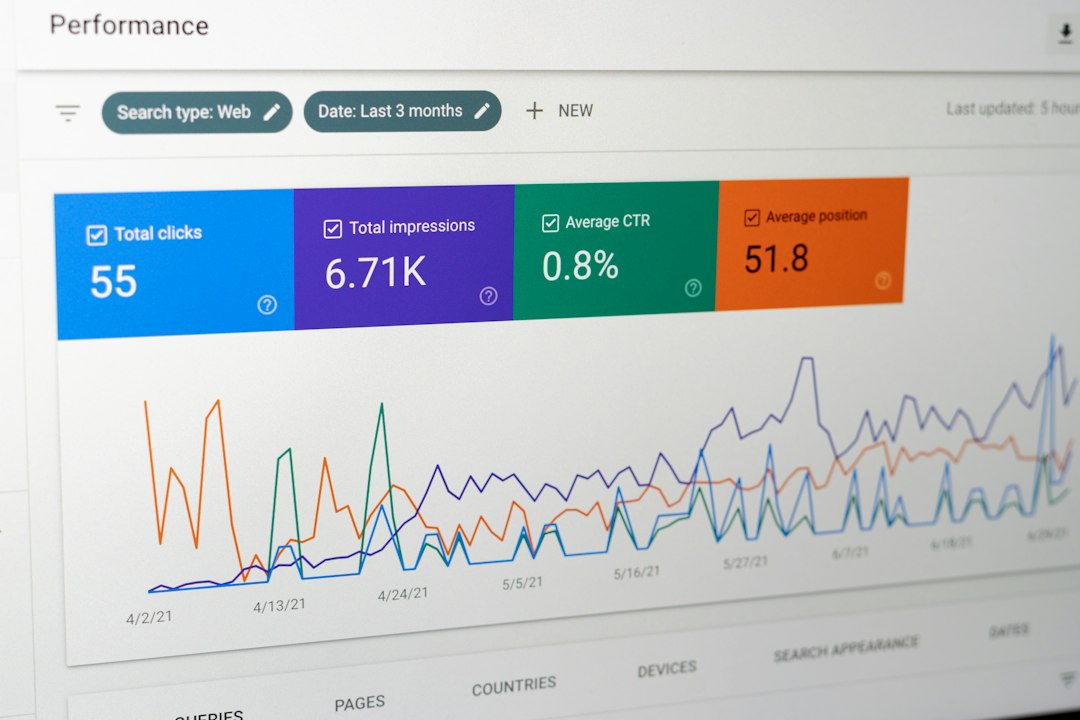
Big videos hurt. Huge images hurt. 3D files hurt. Too many effects hurt. No tool can magically fix lazy decisions.
In both Webflow and Framer, you should:
- Compress images.
- Use video only when it helps the story.
- Keep mobile effects simpler.
- Test on a real phone.
- Check load speed before launch.
It drives me crazy when a site has a gorgeous hero animation and then takes 8 seconds to show the first button. That is not immersive. That is a loading screen with nice taste.
SEO and marketing
Webflow is often the better pick for SEO-heavy websites. You get strong control over page structure, metadata, CMS templates, redirects, and content growth. It is a good fit for marketing teams that publish often.
Framer can still handle SEO basics. For many landing pages, that is enough. You can set titles, descriptions, clean URLs, and social images. For a campaign page, perfect. For a content machine, maybe not.
Team workflow
Framer is lovely for small teams. A designer can create, edit, and publish fast. That is powerful. Less waiting. Fewer handoffs.
Webflow is better when roles are split. Designers build systems. Marketers edit content. Clients update pages. Developers add custom bits when needed.
So ask this: who will touch the site after launch?
- If it is mostly one designer, Framer feels great.
- If it is a marketing team, Webflow feels more stable.
Best use cases
Use Framer for:
- Startup launch pages.
- App landing pages.
- Interactive portfolios.
- Event promo pages.
- Investor teaser sites.
Use Webflow for:
- Agency websites.
- B2B SaaS websites.
- Content-rich brand sites.
- CMS-powered case studies.
- Sites with long-term marketing plans.
Final verdict
Framer is the fun sports car. It is quick, stylish, and exciting. It is perfect when the goal is a memorable page that launches fast.
Webflow is the well-built studio van. Still stylish. Still powerful. But better when you need storage, systems, and room for the whole team.
If your immersive website is a moment, use Framer. If it is a platform, use Webflow. That simple rule will save you time, budget, and a few late-night rebuilds.
Experiential Websites: Webflow vs Framer for Creating Immersive Web Experiences


Experiential Websites: Webflow vs Framer for Creating Immersive Web Experiences
Pick Framer for fast, cinematic landing pages. Pick Webflow when the immersive site also needs a strong CMS, client editing,…