
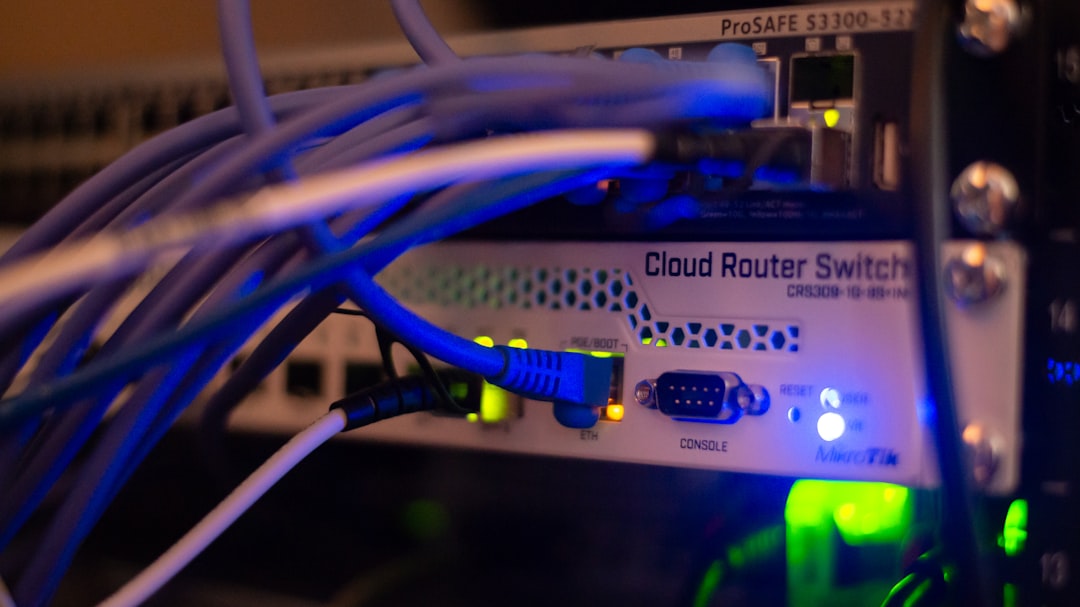

For most small businesses, Fortinet is the better fit when price, performance, and growth matter; WatchGuard is stronger when you want simpler policies, cleaner reporting, and less security admin work. Both are serious hardware firewall brands, not bargain-bin routers with a security sticker. The right choice depends on how much traffic you have, how technical your team is, and whether you value speed or simplicity more.
TLDR: Choose Fortinet FortiGate if your office has fast internet, many VPN users, or expects growth over the next three years. Choose WatchGuard Firebox if you want easier day-to-day management and clearer security visibility without hiring a full-time network engineer. For example, a 25-person accounting firm with 300 Mbps internet and five remote staff may be perfectly happy with WatchGuard, while a 60-user company running cloud apps, VoIP, and site-to-site VPNs will often get more value from Fortinet.
Why a Hardware Firewall Still Matters
A small business firewall is not just a box that blocks bad traffic. It controls access, scans files, filters websites, manages VPNs, separates guest Wi-Fi, and helps stop malware before it reaches laptops and servers. That matters because small businesses are easy targets. Attackers know many run old routers, weak passwords, and flat networks where one infected PC can reach everything.
A proper hardware firewall gives you central control. You can block risky countries, inspect encrypted traffic, limit staff access to certain apps, and see what is eating bandwidth. Consumer routers cannot do this well. They also tend to fold under heavy VPN use or deep packet inspection.
WatchGuard in Plain English
WatchGuard’s Firebox appliances are popular with managed service providers and small IT teams because they are fairly easy to understand. The interface is visual. Policies are readable. Reports are useful without needing a week of training.
WatchGuard is best for businesses that want security without daily tinkering. Its security services include gateway antivirus, intrusion prevention, web filtering, spam blocking, application control, DNS filtering, sandboxing, and endpoint integrations. The company also offers strong multi-factor authentication through AuthPoint, which is handy for VPN and admin logins.
The Firebox line covers very small offices up to larger branches. A small retailer, dental office, insurance agency, or local law firm can get strong protection from a midrange Firebox without building a complicated security stack.
What WatchGuard does well:
- Clean management: Policies are easier to read than many enterprise firewalls.
- Good reporting: You can quickly see blocked threats, bandwidth use, and risky users.
- Strong MFA options: AuthPoint is a useful add-on for remote access security.
- Friendly for MSPs: Multi-client management is smooth for outsourced IT providers.
- Solid security bundles: Total Security packages are simple to buy and renew.
The weak spot is raw performance per dollar. If you turn on every inspection feature, throughput can drop faster than some buyers expect. Honestly, it feels like the datasheet numbers and real office traffic do not always shake hands. That is not unique to WatchGuard, but you should size the appliance with security services enabled, not with ideal lab numbers.
Fortinet in Plain English
Fortinet’s FortiGate firewalls are known for high performance and strong price-to-throughput value. Fortinet builds custom security processors into many models, which helps traffic move quickly even when security features are turned on.
Fortinet is best for growing small businesses that need speed, VPN capacity, and broad security options. FortiGate devices handle firewalling, intrusion prevention, secure SD-WAN, web filtering, application control, antivirus, VPN, and SSL inspection. They also connect into the wider Fortinet Security Fabric, which can include switches, access points, endpoint protection, email security, and SIEM tools.
This can be powerful. It can also get messy. The Fortinet ecosystem has many licenses, modules, menus, and product names. Expect to waste time comparing bundles if you are buying without a good reseller. A simple firewall quote can turn into a spreadsheet party nobody asked for.
What Fortinet does well:
- Excellent performance: FortiGate appliances often push more traffic for the money.
- Strong VPN support: Good fit for remote workers and branch offices.
- Secure SD-WAN: Useful if you have two internet lines or multiple sites.
- Deep feature set: Advanced controls are available when your team is ready.
- Scalable ecosystem: Firewalls, switches, Wi-Fi, and endpoint tools can work together.
Security Features: Which One Protects Better?
Both brands offer strong protection. Neither is a toy. The real difference is how they package and manage that protection.
WatchGuard makes core security easier to operate. If your business has one IT generalist or uses an outside support company, this matters. Web blocking, malware scanning, and VPN policies can be created without feeling buried in enterprise jargon.
Fortinet gives you more room to tune. Security teams can create more detailed rules, build SD-WAN policies, segment networks, and connect more security tools. That gives power users more control. For less technical teams, it can feel heavier.
In both cases, buy the security subscription. A firewall without active threat services is like a smoke alarm with no battery. It may still route traffic, but it is not doing the job you bought it for.
Performance and Internet Speeds
This is where Fortinet often wins. If your office has 1 Gbps fiber, many cloud apps, VoIP phones, backups, and remote users, Fortinet’s performance advantage becomes visible. It is especially relevant when intrusion prevention, antivirus, and SSL inspection are active.
WatchGuard can still perform well, but you may need to buy a larger model to match Fortinet under heavier loads. That can raise the total cost. For a 10-to-30-person office with moderate internet use, this may not matter. For a 75-person company with Microsoft 365, cloud ERP, cameras, and frequent VPN access, it matters a lot.
Here is the simple rule: do not size a firewall based only on user count. Size it by internet speed, security features, VPN load, Wi-Fi traffic, and future growth. A 15-person video production firm may push more traffic than a 50-person accounting office.
Ease of Use and Daily Admin
WatchGuard usually feels more approachable. Its dashboards and reports are easier for non-specialists to read. If a business owner asks, “Who visited risky sites this week?” WatchGuard tends to answer quickly.
Fortinet is not impossible to use. Many admins like it. But there are more menus, more knobs, and more ways to misconfigure policies if you are rushing. The interface has improved a lot, yet it still rewards training.
If you have no internal IT staff, ask your managed service provider which platform they support best. A firewall your support team knows well is usually safer than a “better” firewall they rarely touch.
Cost: Box Price Is Not the Full Price
Small businesses often compare only the appliance cost. That is a mistake. You need to include subscriptions, support, installation, renewals, and future upgrades.
- WatchGuard: Pricing is often clear when bundled with Basic Security or Total Security.
- Fortinet: Appliance value is strong, but licensing choices can be more confusing.
- Installation: Either brand may cost more upfront if you need VLANs, VPNs, Wi-Fi segmentation, and firewall rule cleanup.
- Renewals: Security services must stay active to keep protection current.
For many small offices, the first-year cost difference may not be huge. The bigger question is operational cost. If Fortinet takes your team extra hours each month, that has a price. If WatchGuard needs a larger model sooner, that also has a price.

Best Fit by Business Type
Choose WatchGuard if:
- You have 10 to 50 users and limited internal IT time.
- You want readable reports for owners or managers.
- You rely on an MSP that standardizes on WatchGuard.
- Your internet speed is moderate and traffic is predictable.
- You want security features that are easy to turn on and monitor.
Choose Fortinet if:
- You have fast fiber, heavy VPN use, or multiple locations.
- You expect staff count or bandwidth needs to grow.
- You want secure SD-WAN or deeper network segmentation.
- Your IT team can handle a more advanced platform.
- You may add Fortinet switches, Wi-Fi, or endpoint tools later.
Final Recommendation
If you want the safest general answer for a small business with limited IT resources, WatchGuard is easier to live with. It gives strong protection, clear reports, and less friction for everyday admin tasks.
If you want the best long-term value for performance and growth, Fortinet is hard to beat. It offers more power, wider options, and better fit for busy networks.
The smartest move is to compare two properly sized models with the exact security services enabled. Ask for expected throughput with threat protection on, not just firewall-only speed. That one question can save you from buying a shiny box that becomes a bottleneck six months later.


How to Use Aegis Authenticator and KeePassDX to Improve Two-Factor Authentication Security on Android
Use Aegis for login codes and KeePassDX for passwords, recovery codes, and notes. That split gives you a simple shield…