

In today’s highly competitive hospitality landscape, increasing occupancy rates is no longer just about location and service quality. Hotels must also master digital distribution. Hotel channel management software has become an essential tool for properties that want to maximize visibility, streamline operations, and increase direct and third-party bookings without losing control of pricing or availability. When properly implemented, this technology can transform how a hotel sells its rooms and significantly improve overall revenue performance.
TLDR: Hotel channel management software enables hotels to distribute room inventory across multiple booking platforms in real time. It prevents overbookings, maintains rate parity, and improves visibility across online travel agencies and direct booking channels. By automating updates and providing actionable data insights, it helps hotels increase occupancy while maintaining control over pricing and profitability.
What Is Hotel Channel Management Software?
Hotel channel management software is a centralized system that allows hotels to manage room availability, pricing, and reservations across multiple distribution channels simultaneously. These channels typically include:
- Online Travel Agencies (OTAs) such as Booking platforms and Expedia-type marketplaces
- Global Distribution Systems (GDS)
- Direct booking engines
- Metasearch platforms
- Wholesalers and tour operators
Instead of logging into each platform individually to update inventory and rates, a channel manager synchronizes everything in real time. When a room is booked on one platform, availability is automatically updated across all connected channels.
Why Occupancy Rates Depend on Smart Distribution
Maximizing occupancy requires both visibility and accuracy. If a hotel is not listed on major booking channels, potential guests may never discover it. However, being listed everywhere without proper synchronization can result in overbookings, rate inconsistencies, and operational chaos.
Channel management software improves occupancy by:
- Expanding reach: Connecting to hundreds of booking platforms worldwide.
- Ensuring real-time updates: Eliminating outdated availability information.
- Enabling dynamic pricing: Adjusting rates quickly based on demand.
- Reducing manual errors: Minimizing the risk of double bookings.
- Maintaining rate parity: Keeping pricing consistent across channels.
When these elements are properly coordinated, hotels can fill more rooms while preserving profitability.
Key Features That Directly Impact Occupancy
1. Real-Time Inventory Synchronization
The core function of a channel manager is synchronizing inventory in real time. This prevents situations where rooms appear available on one platform but are already booked on another. Accuracy builds trust with both guests and booking partners.
2. Automated Rate Management
Dynamic pricing plays a central role in occupancy optimization. Modern systems allow hoteliers to:
- Adjust rates based on demand fluctuations
- Create promotional offers for low-demand periods
- Set minimum stay restrictions
- Close or open specific channels instantly
This flexibility allows properties to respond immediately to market conditions.
3. Channel Performance Analytics
Detailed reporting reveals which channels generate the most bookings, revenue, and profitable guests. Operators can identify underperforming channels and reallocate marketing resources accordingly.
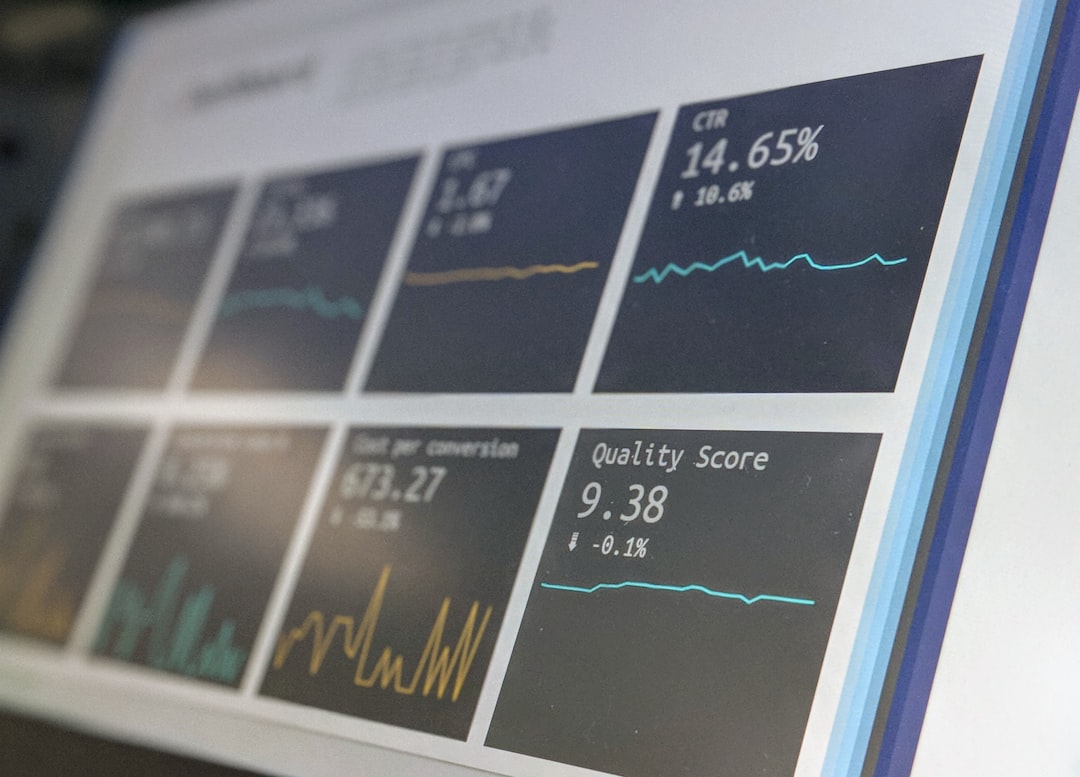
4. Centralized Dashboard Control
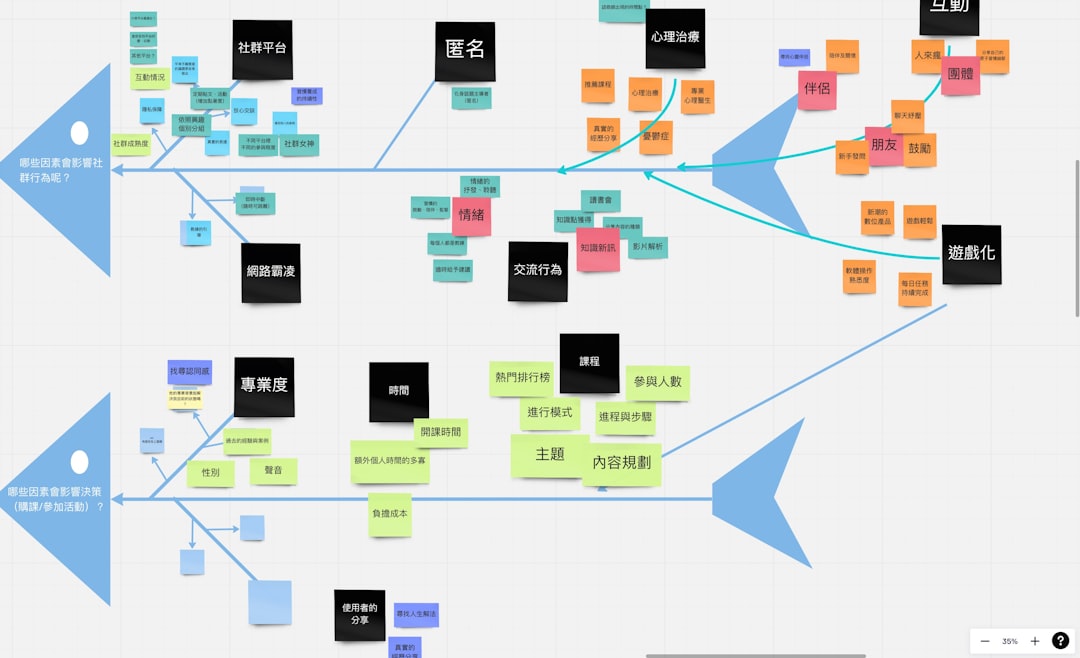
A centralized dashboard provides a unified overview of:
- Occupancy rates
- Revenue per available room (RevPAR)
- Average daily rate (ADR)
- Reservation sources
- Inventory status
This level of visibility enables data-driven decisions instead of guesswork.
How Channel Management Software Increases Occupancy Rates
Improved Market Exposure
The more platforms a hotel appears on, the greater its booking potential. A channel manager connects properties to local, regional, and global markets simultaneously. Even smaller independent hotels can compete with larger chains through broad digital presence.
Reduced Booking Gaps
Low-demand periods are inevitable. With automated promotional pricing and flash deals across selected channels, hotels can fill last-minute vacancies more efficiently.
Optimized Yield Management
Yield management involves selling the right room to the right guest at the right time for the right price. Channel managers integrate with revenue management systems to:
- Increase rates during high-demand periods
- Lower rates strategically during slower seasons
- Adjust distribution strategies based on forecast data
This balance supports higher overall occupancy without sacrificing margins.
Prevention of Overbookings
Overbookings damage reputation and incur relocation costs. Real-time synchronization eliminates this risk, protecting guest satisfaction and brand credibility.
Integration With Property Management Systems
The strongest results occur when channel management software integrates seamlessly with a Property Management System (PMS). This integration allows:
- Automatic reservation import
- Centralized guest data storage
- Efficient housekeeping coordination
- Accurate reporting and accounting
Operational efficiency contributes indirectly to improved occupancy because staff can focus more on guest experience and less on administrative corrections.
Comparison of Leading Channel Management Solutions
Below is a simplified comparison of several recognized channel management platforms commonly used in the hospitality industry:
| Software | Best For | Key Strength | Integration Capabilities | Scalability |
|---|---|---|---|---|
| SiteMinder | Mid to large hotels | Extensive global channel network | Strong PMS and revenue tool integrations | High |
| Cloudbeds | Boutique and independent hotels | All in one PMS and channel management | Broad third party marketplace | Medium to High |
| RateTiger | Hotels focused on rate intelligence | Integrated rate shopping tools | Detailed distribution analytics | Medium |
| STAAH | Growing hospitality groups | Flexible connectivity options | Open API integrations | High |
While each solution varies in specialization, they share common goals: automating distribution, improving visibility, and increasing revenue through smarter channel coordination.
Factors to Consider When Choosing a Channel Manager
Selecting the right solution requires careful evaluation. Hotels should consider:
- Number of supported channels
- Two-way integration reliability
- User interface clarity
- Data security standards
- Customer support responsiveness
- Scalability for multi-property expansion
A thorough demonstration and trial period can help assess whether the system aligns with operational needs.
The Financial Impact of Better Channel Management
Higher occupancy rates translate directly into increased revenue potential. However, profitability depends on balancing occupancy with operating costs and channel commissions.
Channel management software supports financial performance through:
- Reduced administrative labor costs
- Lower risk of revenue loss from overbookings
- Strategic allocation to lower-commission channels
- Improved forecasting accuracy
By analyzing channel costs versus returns, operators can refine their distribution mix to maximize net revenue.
Common Mistakes Hotels Should Avoid
Even with advanced tools, improper usage can limit results. Hotels should avoid:
- Listing on too many low-performing channels
- Ignoring analytics reports
- Failing to update pricing strategy regularly
- Neglecting direct booking optimization
Technology enhances strategy, but it does not replace active management oversight.
The Future of Channel Management
Artificial intelligence, machine learning, and advanced predictive analytics are increasingly being integrated into channel management platforms. These innovations allow:
- Automated demand forecasting
- Personalized rate strategies
- Advanced competitor monitoring
- Automated channel optimization recommendations
As competition grows and booking behaviors evolve, intelligent automation will play a larger role in sustaining high occupancy rates.
Conclusion
Hotel channel management software is no longer a luxury; it is a foundational component of modern hospitality operations. By centralizing distribution, enabling dynamic pricing, and providing actionable insights, these systems directly contribute to increased occupancy and improved financial stability.
In a market where visibility and responsiveness determine success, hotels that invest in reliable channel management technology position themselves for sustainable growth. A well-implemented system not only fills more rooms but also builds operational discipline, protects reputation, and supports long-term profitability.


WordPress Hosting Cost: WordPress.com vs Bluehost for Comparing Hosting Costs
For most small WordPress sites, Bluehost is cheaper in year one, but WordPress.com can be less stressful if you want…