


For businesses that depend on nearby customers, visibility in local search is not optional. When someone searches for a service “near me” or looks for a business in a specific city, search engines rely on many trust signals to decide which companies deserve to appear prominently. One of the most important of these signals is the quality and consistency of local citations.
TLDR: Local citation building means listing your business name, address, phone number, and related details across trusted online directories and platforms. Consistent citations help search engines verify that your business is legitimate and relevant to a local area. To improve local SEO rankings, focus on accuracy, quality directories, regular audits, and strong business profiles rather than simply creating as many listings as possible.
What Are Local Citations?
A local citation is any online mention of your business information, usually including your name, address, and phone number, often referred to as NAP. Citations may also include your website, opening hours, services, photos, business description, and customer reviews.
Common citation sources include:
- Google Business Profile and Bing Places
- Online directories such as Yelp, Yellow Pages, and local chamber websites
- Industry-specific directories for healthcare, legal, home services, restaurants, and more
- Social media profiles
- Local news websites, blogs, and community resources
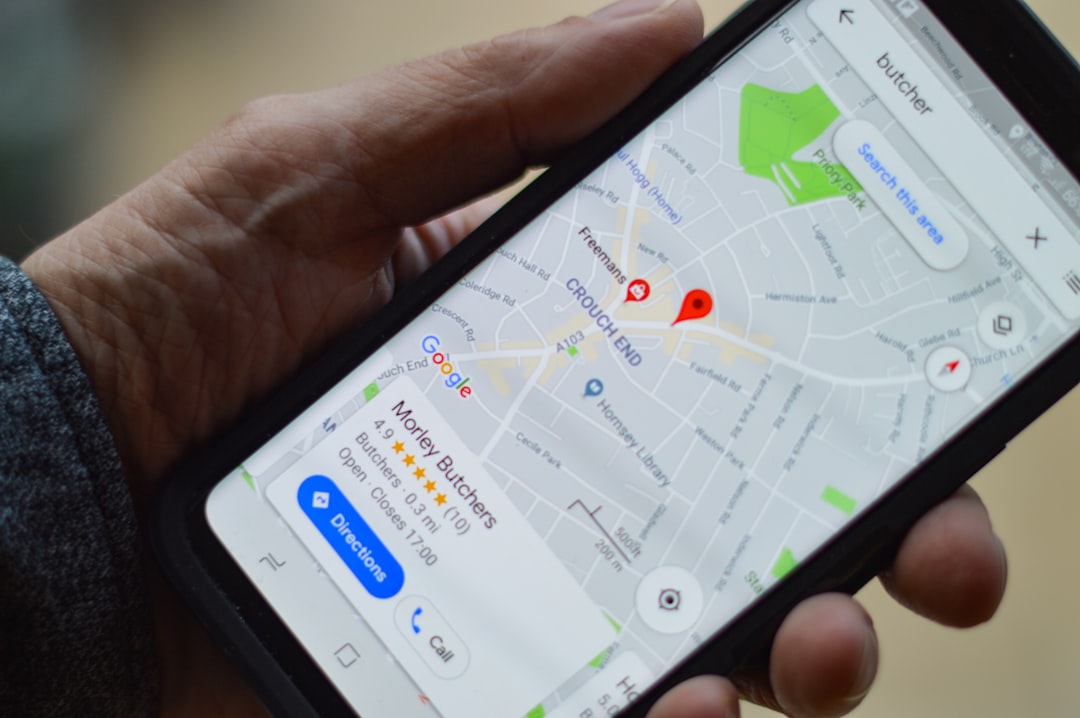
- Map services and navigation apps
Not all citations are equal. A listing on a well-known local directory or respected industry website carries more value than a listing on a low-quality or irrelevant site. Search engines look for trust, relevance, and consistency.

Why Local Citations Matter for SEO
Local search engines aim to recommend businesses that are real, reliable, and close to the searcher. Citations support this process by confirming your business information across the web. If many trustworthy sources show the same details, search engines gain confidence in your business data.
Strong citation building can support local SEO in several ways:
- Improved trust: Consistent listings confirm that your business is legitimate.
- Better local relevance: Citations connect your business with a specific city, neighborhood, or service area.
- More search visibility: Directory listings can rank in search results themselves, giving customers more ways to find you.
- Referral traffic: People still use review sites, maps, and directories to compare businesses.
- Stronger conversion signals: Complete profiles with photos, hours, reviews, and service details can encourage calls, visits, and bookings.
However, citation building is not a shortcut or a one-time trick. It works best as part of a broader local SEO strategy that includes a complete Google Business Profile, customer reviews, local content, website optimization, and good service.
Start With Accurate NAP Information
Before building citations, create a single, official version of your business information. This should include your exact business name, full address, main phone number, website URL, and business category. Use this same information everywhere unless a platform has specific formatting requirements.
For example, avoid using “Street” on one site and “St.” on another if you can prevent it. Minor differences are not always disastrous, but widespread inconsistency can create confusion. More serious problems include old phone numbers, previous addresses, duplicate listings, and incorrect business names.
Pay close attention to these details:
- Business name: Use your real-world business name. Do not add extra keywords unless they are part of the official name.
- Address: Use the correct physical address or service-area setup where appropriate.
- Phone number: Use a local number when possible, especially for location-based businesses.
- Website: Link to the most relevant page, usually the homepage or a location page.
- Categories: Choose the most accurate primary and secondary categories.
Choose Quality Citation Sources
Many businesses make the mistake of chasing volume. They submit their information to hundreds of directories without considering whether those websites are trustworthy or relevant. A better approach is to focus on quality first.
Begin with core platforms that are widely recognized by search engines and customers. These include major search engines, maps, review platforms, social networks, and established directories. After that, move to local and industry-specific sources.
Good citation opportunities often include:
- Major platforms: Google Business Profile, Bing Places, Apple Maps, Yelp, Facebook, and other widely used services.
- Local directories: City business directories, tourism websites, chamber of commerce listings, and local business associations.
- Industry directories: Professional associations, niche review sites, licensing boards, and trade organizations.
- Local media mentions: Sponsorship pages, event listings, interviews, and community news articles.
A citation from a respected local website may be more useful than dozens of weak directory links. Search engines value context. If your bakery is listed on a local food guide or your law firm appears on a state bar directory, that relevance can strengthen your local authority.
Complete Every Profile Carefully
A citation should not be treated as a simple name and phone number submission. Whenever possible, complete the entire profile. Detailed profiles look more credible to both customers and search engines.
Include information such as:
- Business description written in clear, professional language
- Opening hours and holiday hours
- Services or product categories
- High-quality photos of your location, team, work, or products
- Accepted payment methods
- Accessibility information
- Links to appointment booking, menus, or service pages where relevant
Avoid keyword stuffing. Your business description should explain what you do and where you operate, but it should sound natural. A serious, accurate profile is more persuasive than one overloaded with repetitive search terms.
Find and Fix Inconsistent Citations
Citation cleanup is often just as important as citation building. If your business has moved, changed phone numbers, rebranded, or opened multiple locations, old listings may still exist online. These outdated citations can weaken trust and mislead customers.
Conduct a citation audit by searching for variations of your business name, old addresses, old phone numbers, and previous website URLs. Check major directories, search engines, map platforms, and review sites. For each incorrect listing, claim the profile if possible and update the information.
Common citation problems include:
- Duplicate listings for the same location
- Old addresses after relocation
- Tracking numbers replacing the main local number
- Wrong business categories
- Closed locations still appearing as open
- Misspelled business names
When duplicates appear, do not automatically create a new listing. First, try to claim or merge the existing profile. Duplicate listings can split reviews and confuse search engines about which version is correct.
Use Location Pages for Multi-Location Businesses
If your business has more than one location, each location should usually have its own dedicated page on your website. Each page should display the exact NAP information for that branch, along with unique content about the services, team, local area, and customer support details.
Then, when creating citations, link each listing to the matching location page rather than sending every listing to the homepage. This helps search engines understand the relationship between each physical location and its online presence.
For service-area businesses, be careful not to create fake addresses or virtual office listings that violate platform policies. Trustworthy local SEO depends on accurate representation.

Monitor Reviews and Customer Engagement
Although citations and reviews are different signals, they often appear on the same platforms. A complete directory listing with recent positive reviews is more valuable to potential customers than an empty profile. Search engines may also consider engagement signals when evaluating local prominence.
Encourage satisfied customers to leave honest reviews on appropriate platforms. Respond professionally to both positive and negative feedback. A calm, respectful response to criticism can strengthen trust and show that your business takes customer service seriously.
Maintain Citations Over Time
Local citation building is not finished after the first round of submissions. Business information changes, platforms update their systems, and duplicate listings can reappear. Schedule regular citation checks, especially after moving, changing hours, adding locations, or rebranding.
At minimum, review your most important listings every few months. For businesses in competitive local markets, more frequent monitoring may be worthwhile. Accurate information protects both your search visibility and your customer experience.
Conclusion
Local citation building remains a practical and important part of local SEO. The goal is not to place your business on every possible directory, but to create a consistent, credible footprint across the platforms that customers and search engines trust. By maintaining accurate NAP information, choosing relevant citation sources, completing profiles carefully, and cleaning up outdated listings, you strengthen the foundation of your local search presence.
For long-term results, treat citations as part of your business reputation. Accurate listings help customers contact you, visit you, and trust you. That trust is exactly what strong local SEO rankings are built on.



Clear Wi-Fi Cache: DNS Cache Flush vs Router Restart for Troubleshooting Wireless Connections
Flush the DNS cache first when websites act strange, but restart the router when the whole wireless connection is slow,…