


Marketing teams have more digital options than ever, but one decision still causes confusion: should you send people to your main website, or build a dedicated microsite for a specific campaign, product, event, or audience? Both can be powerful, but they serve different jobs. Understanding the difference between a microsite and a website helps you invest time, budget, and creative energy in the platform most likely to move visitors toward action.
TLDR: A website is your brand’s main digital home, built to support broad goals like education, credibility, search visibility, sales, and customer service. A microsite is a smaller, focused online experience created for a specific campaign, product, audience, or message. Use a website when you need depth, structure, and long-term brand authority; use a microsite when you need focus, speed, storytelling, or a unique campaign experience. The best marketing strategy often uses both, with each playing a clear role.
What Is a Website?
A website is the central online presence for a brand, business, organization, or individual. It usually lives on the main domain, such as yourbrand.com, and contains multiple pages that explain who you are, what you offer, why you matter, and how people can buy, subscribe, book, contact you, or learn more.
A typical business website may include pages such as:
- Homepage: A high-level overview of the brand and its value proposition.
- About page: Company history, mission, team, and credibility signals.
- Products or services pages: Detailed information about what you sell.
- Blog or resource center: Educational content designed to attract and nurture visitors.
- Contact page: Forms, locations, phone numbers, and support information.
- Landing pages: Targeted pages for ads, campaigns, or offers.
The key thing about a website is that it is comprehensive. It is built to serve many types of visitors at different stages of the customer journey. Someone may arrive ready to buy, while another visitor is simply researching. A good website supports both.
What Is a Microsite?
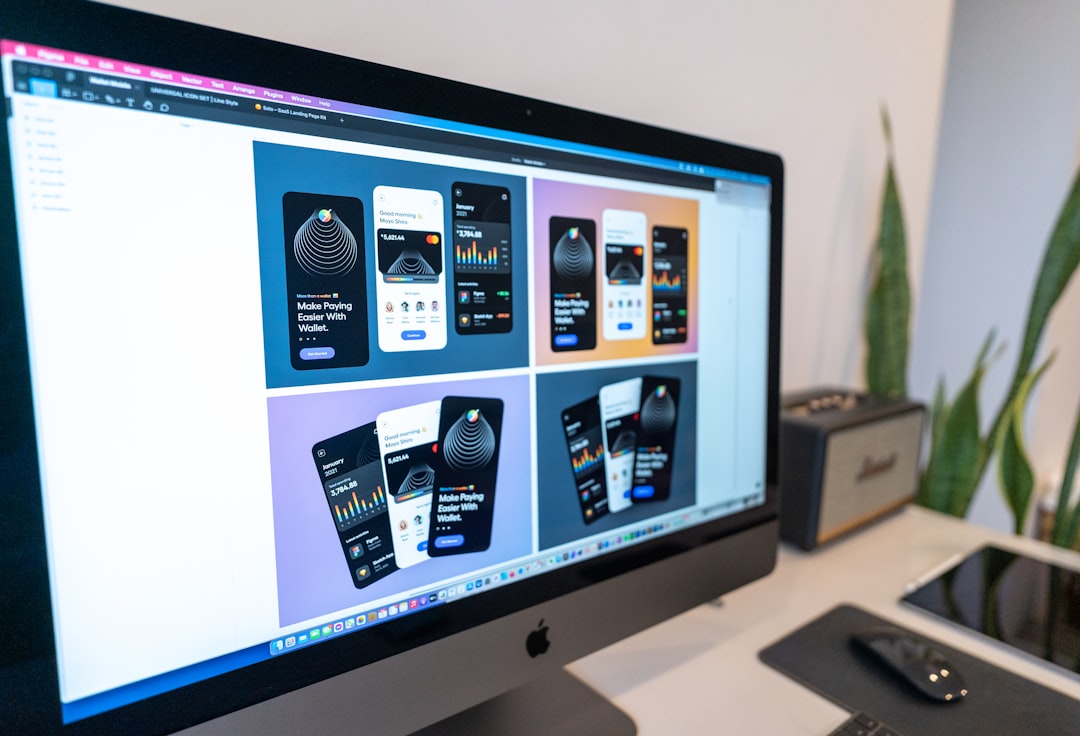
A microsite is a small, focused website or group of pages created for a specific purpose. It may live on a separate domain, like campaignname.com, or on a subdomain, such as campaign.yourbrand.com. Unlike your main website, a microsite is not meant to explain everything about your company. Instead, it is designed to deliver one message, support one campaign, or engage one audience.
Microsites are often used for:
- Product launches that need their own visual identity and narrative.
- Seasonal campaigns such as holiday promotions or annual sales.
- Events including conferences, webinars, festivals, or fundraisers.
- Brand awareness campaigns with interactive or immersive content.
- Recruitment campaigns aimed at specific types of job candidates.
- Cause marketing or social impact initiatives.
Think of a microsite as a specialized stage. Your main website is the entire theater, but a microsite is a single production with its own set design, script, and audience experience.
Microsite vs Website: The Core Differences
Although microsites and websites are related, they differ in structure, purpose, lifespan, and marketing role. Understanding these distinctions will help you choose wisely.
1. Scope
A website has broad scope. It represents the whole brand or business and typically contains a wide range of information. A microsite has narrow scope. It focuses on one idea, campaign, product, event, or audience segment.
For example, a coffee company’s website might include its full product catalog, store locator, sustainability commitments, company story, and online shop. A microsite might focus only on a limited-edition cold brew launch, with videos, tasting notes, influencer content, and a countdown to release day.
2. Navigation
A full website usually needs detailed navigation because visitors may be looking for many different things. Menus, categories, internal links, search bars, and footer links help people move around.
A microsite often uses simpler navigation. In many cases, it guides users through a curated path: learn the concept, explore the experience, watch the video, sign up, buy, or share. The fewer distractions, the better.
3. Branding
Your website usually follows your main brand guidelines closely: logo, colors, typography, tone, and messaging. A microsite may still be connected to your brand, but it often has more freedom. It can use campaign-specific visuals, a different content style, interactive design, or a unique name.
This creative flexibility is one of the biggest reasons marketers use microsites. They allow a campaign to feel fresh without forcing a complete redesign of the main website.
4. Lifespan
A website is a long-term asset. It should be maintained, updated, optimized, and improved over time. A microsite may be temporary or semi-permanent. Some microsites live for a few weeks around a product launch; others remain active for years as standalone resources or brand experiences.
5. Search Engine Optimization
A website is usually the stronger option for long-term SEO. Since it accumulates content, backlinks, authority, and user signals over time, it becomes more likely to rank for important search terms.
A microsite can rank too, but it may require extra effort because it starts with little or no authority, especially if it uses a new domain. If SEO is your main goal, adding content to your existing website is often more effective. If campaign storytelling, audience engagement, or message control is the priority, a microsite may be worth it.

When to Use a Website
Your main website should be the foundation of your digital marketing strategy. It is where people go when they want to understand your business, compare options, confirm credibility, or take meaningful action.
Use a website when your goal is to:
- Build long-term trust: A complete website gives visitors the information they need to feel confident.
- Support multiple audiences: Customers, partners, investors, journalists, and job candidates may all need different content.
- Improve organic search visibility: Blogs, resource pages, service pages, and product pages can attract steady traffic over time.
- Explain complex offerings: If your product or service requires education, comparison, or technical detail, a website gives you room.
- Create a central conversion hub: Your website can support purchases, bookings, demos, downloads, newsletter signups, and support requests.
A website is also the best choice when consistency matters. If you need visitors to understand the complete brand, explore multiple options, and develop confidence over several visits, your main website should carry the load.
When to Use a Microsite
A microsite works best when focus is more important than breadth. It gives you room to create an experience that does not have to compete with all the menus, messages, and business priorities on your main website.
Use a microsite when you want to:
- Launch something new: A new product, service, or initiative can benefit from a dedicated destination.
- Tell a campaign story: Microsites are ideal for narrative-driven marketing with videos, animations, timelines, or interactive elements.
- Reach a specific audience: If your campaign targets students, developers, luxury buyers, donors, or another distinct group, a microsite can speak directly to them.
- Separate a campaign from the parent brand: Sometimes a creative concept needs its own identity while still being supported by the main brand.
- Reduce distractions: A focused microsite can keep visitors moving toward a single call to action.
- Create shareable experiences: Quizzes, calculators, interactive reports, contests, and storytelling experiences often perform well as microsites.
For example, a nonprofit might create a microsite for an annual fundraising campaign. Instead of sending donors to the general website, the microsite could feature one emotional story, a campaign goal tracker, donor testimonials, impact statistics, and a clear donation button. The experience is focused, memorable, and easier to share.
Marketing Benefits of a Microsite
Microsites can be especially valuable when a campaign needs to stand out. Because they are smaller and more focused, they often allow faster creative decisions and more experimental design.
Some major benefits include:
- Sharper messaging: Every headline, image, and call to action can support one goal.
- Better campaign measurement: Traffic, engagement, and conversions are easier to attribute to a specific initiative.
- Creative freedom: You can build a distinctive experience without disrupting the main website.
- Improved audience relevance: Content can be tailored to one audience instead of trying to satisfy everyone.
- Higher engagement potential: Interactive and immersive experiences can keep visitors involved longer.
However, microsites are not automatically successful. They need a promotion plan. Without traffic from ads, email, social media, influencers, PR, search, or partner channels, even the most beautiful microsite may go unnoticed.
Potential Drawbacks of a Microsite
Microsites can be effective, but they are not always the right choice. Before creating one, consider the possible downsides.
- Extra maintenance: A separate digital property requires updates, hosting, security, analytics, and content management.
- SEO challenges: A new domain may not benefit from the authority of your main site.
- Brand fragmentation: If the microsite feels too disconnected, visitors may not understand who is behind it.
- Higher production cost: Custom design, copy, development, animation, or interactive features can add expense.
- Short shelf life: If the campaign ends quickly, the return must justify the investment.
A common mistake is building a microsite simply because it seems exciting. A microsite should solve a strategic problem, not just create another place for content to live.

Can a Landing Page Replace a Microsite?
Sometimes, yes. A landing page is a single page focused on one conversion goal, often hosted within your main website. If your campaign is simple, such as promoting an ebook, collecting webinar registrations, or advertising a discount, a landing page may be enough.
A microsite is more appropriate when the campaign needs multiple sections, a unique brand experience, interactive content, or storytelling depth. In other words, use a landing page for efficiency; use a microsite for immersion.
How to Choose the Right Option
Before deciding between a microsite and a website, ask these questions:
- What is the primary goal? If the goal is broad education or long-term authority, use your website. If it is campaign engagement or a specific action, consider a microsite.
- Who is the audience? A narrow audience may benefit from a tailored microsite, while a diverse audience usually needs a full website structure.
- How long will the content be relevant? Evergreen content belongs on your main website. Short-term campaign content may fit a microsite.
- How will people find it? If you have a strong paid, email, PR, or social plan, a microsite can work well. If you rely mainly on organic search, your main website may be stronger.
- What action should visitors take? A single, focused call to action is perfect for a microsite. Multiple actions may require a website.
Best Practices for Marketing Success
Whether you choose a microsite or your main website, success depends on clarity. Visitors should quickly understand where they are, why it matters, and what to do next.
Follow these best practices:
- Define one primary objective: Avoid trying to make one campaign do everything.
- Keep the user journey simple: Remove unnecessary clicks, distractions, and confusing pathways.
- Use strong calls to action: Buttons and forms should be clear, visible, and persuasive.
- Connect the experience to your brand: Even creative microsites should include enough brand cues to build trust.
- Measure performance: Track visits, engagement, conversions, traffic sources, and drop-off points.
- Plan what happens after the campaign: Decide whether to archive, redirect, update, or integrate the microsite content into your main website.
The Smartest Strategy: Use Each for Its Strength
The question is not whether a microsite is better than a website. The real question is which tool fits the marketing job. A website is your long-term foundation: credible, searchable, detailed, and central to your brand. A microsite is your focused campaign environment: specific, flexible, creative, and action-oriented.
For many brands, the strongest approach is to use both. Your website builds trust and supports the full customer journey, while your microsite creates excitement around a specific moment. When the two are connected strategically, they can reinforce each other: the website provides authority, and the microsite provides energy.
In the end, marketing success comes from matching the format to the goal. If your audience needs depth, context, and long-term value, invest in your website. If they need a focused, memorable experience that inspires immediate engagement, a microsite may be exactly the right move.

What Is the 9:16 Aspect Ratio? Best Video Dimensions for TikTok and Reels
The best video size for TikTok and Instagram Reels is 1080 × 1920 pixels, using a 9:16 vertical aspect ratio….