
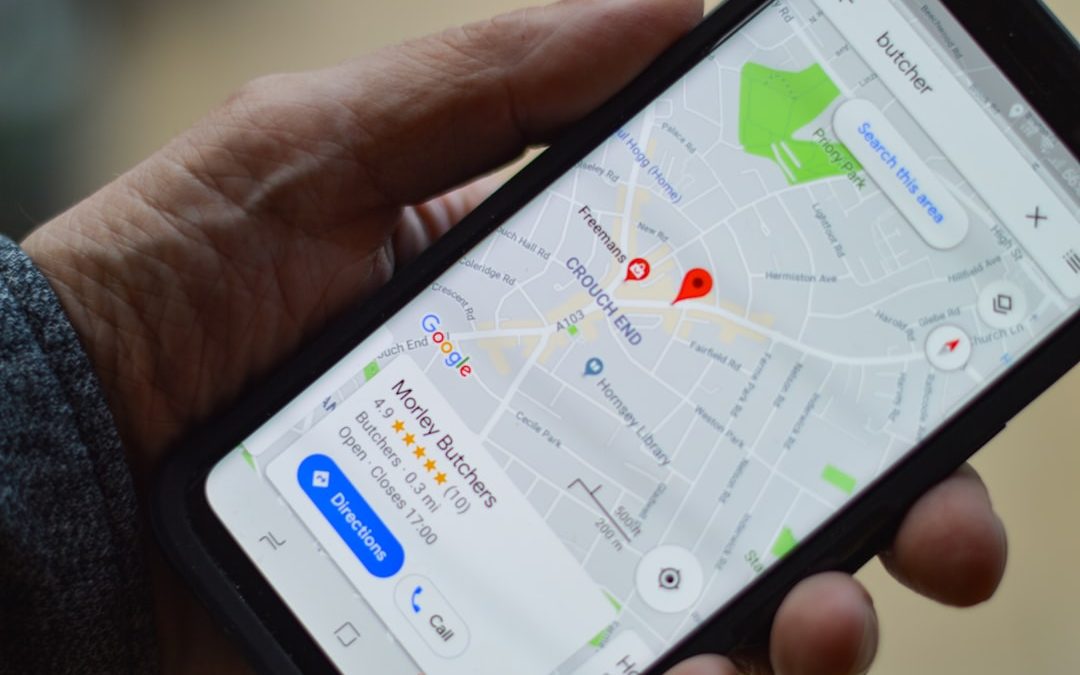

Many Tinder users wonder whether the app quietly tracks their location after they stop using it. The answer depends on what “closed” means, how the phone’s location permissions are configured, and whether the app is merely running in the background or has been fully force closed.
TLDR: Tinder generally updates a user’s location when the app is opened and location access is available. If the app is fully closed or force quit, it usually does not actively refresh the location in real time. However, if Tinder remains in the background and the phone allows location access, the displayed distance may update later based on the last known or recently refreshed location. Users who want more control should review Tinder’s location permissions in iOS or Android settings.
How Tinder Uses Location
Tinder is a location-based dating app, so distance is central to how it works. The app uses a phone’s GPS, Wi Fi, mobile network data, and device location services to estimate where a user is. This location helps Tinder show nearby profiles, calculate approximate distance, and adjust suggested matches when someone travels.
In most cases, Tinder does not display a user’s exact address or precise pin location to other people. Instead, it shows an approximate distance, such as 2 miles away or 10 kilometers away. That distance may shift when the app receives new location data.
The key point is that Tinder needs permission from the device operating system. Without location access, the app cannot accurately update where a user is. If permission is denied, Tinder may stop functioning properly or ask the user to enable location services again.
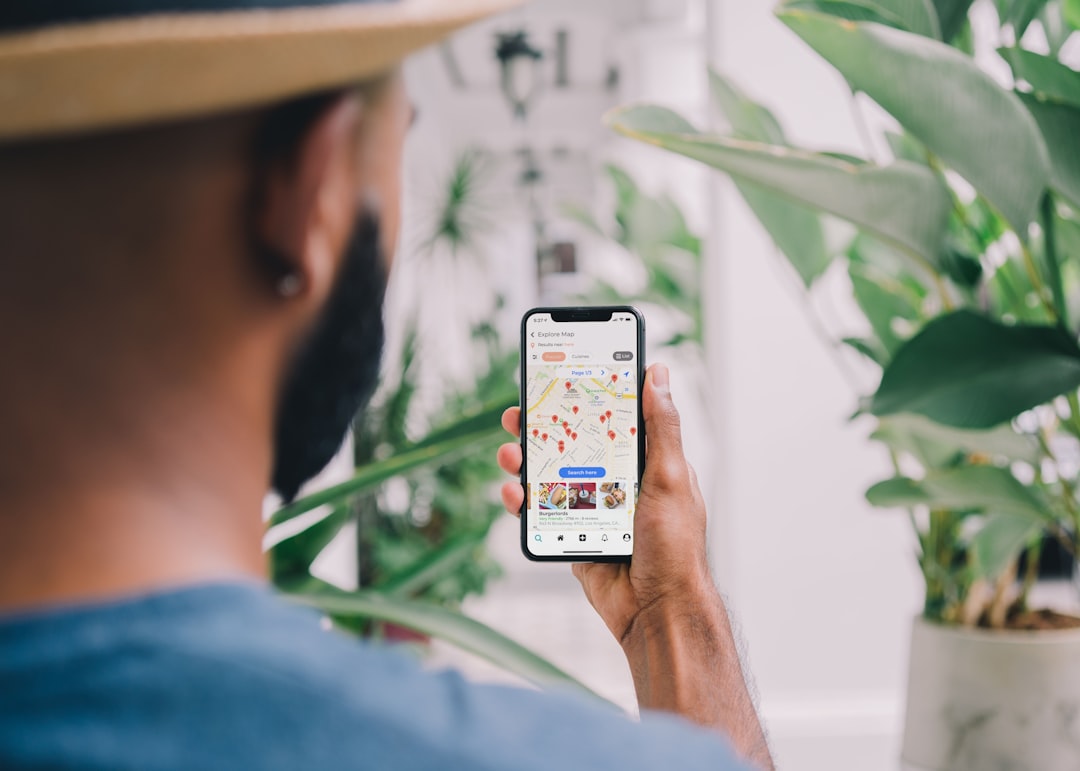
Does Tinder Update Location When the App Is Closed?
When Tinder is fully closed, especially if it has been force quit, it typically does not continuously update location in the background. A fully closed app is not actively running, so it generally cannot keep checking GPS and sending fresh location information to Tinder’s servers.
However, the word closed can mean different things. If a user simply switches to another app or locks the phone, Tinder may still be present in the background for a short period. During that time, the phone’s operating system may allow limited background activity. Depending on permissions, device settings, and system behavior, Tinder may continue to use recent location information or refresh it when the app becomes active again.
If the app is opened after a person travels to another city, Tinder will usually detect the new location and update nearby profiles. This is why someone may appear to have changed location after they next use the app, rather than while the app was completely inactive.
App Open, Background, or Force Closed: The Difference
Understanding the difference between app states helps explain why Tinder’s distance can appear inconsistent.
- Open and active: Tinder can access location if permission is granted. This is when location updates are most likely to happen.
- Running in the background: Tinder may not be visible on screen, but the phone has not fully stopped it. Some limited location activity may occur depending on settings.
- Force closed: The app has been manually swiped away or stopped. In this state, Tinder generally does not keep updating location until it is opened again.
- Phone location services disabled: Tinder cannot update location accurately, even if the app is opened.
Operating systems such as iOS and Android also restrict background location access to protect privacy and battery life. Modern phones are designed to prevent apps from constantly tracking users unless there is a clear permission and purpose.
What Location Permission Means on iPhone and Android
On iPhone, Tinder usually depends on the location permission selected in Settings. Options may include Never, Ask Next Time, or While Using the App. If location is allowed only while using the app, Tinder should mainly update location while the app is open or actively in use.
On Android, location options vary by version and device, but users often see choices such as Allow only while using the app, Ask every time, or Deny. Android may also let users choose between approximate and precise location. If precise location is turned off, Tinder may have less accurate distance information.
These settings are important because Tinder cannot simply ignore phone-level privacy rules. Even if the app wants fresh location data, the operating system decides when and how that access is allowed.
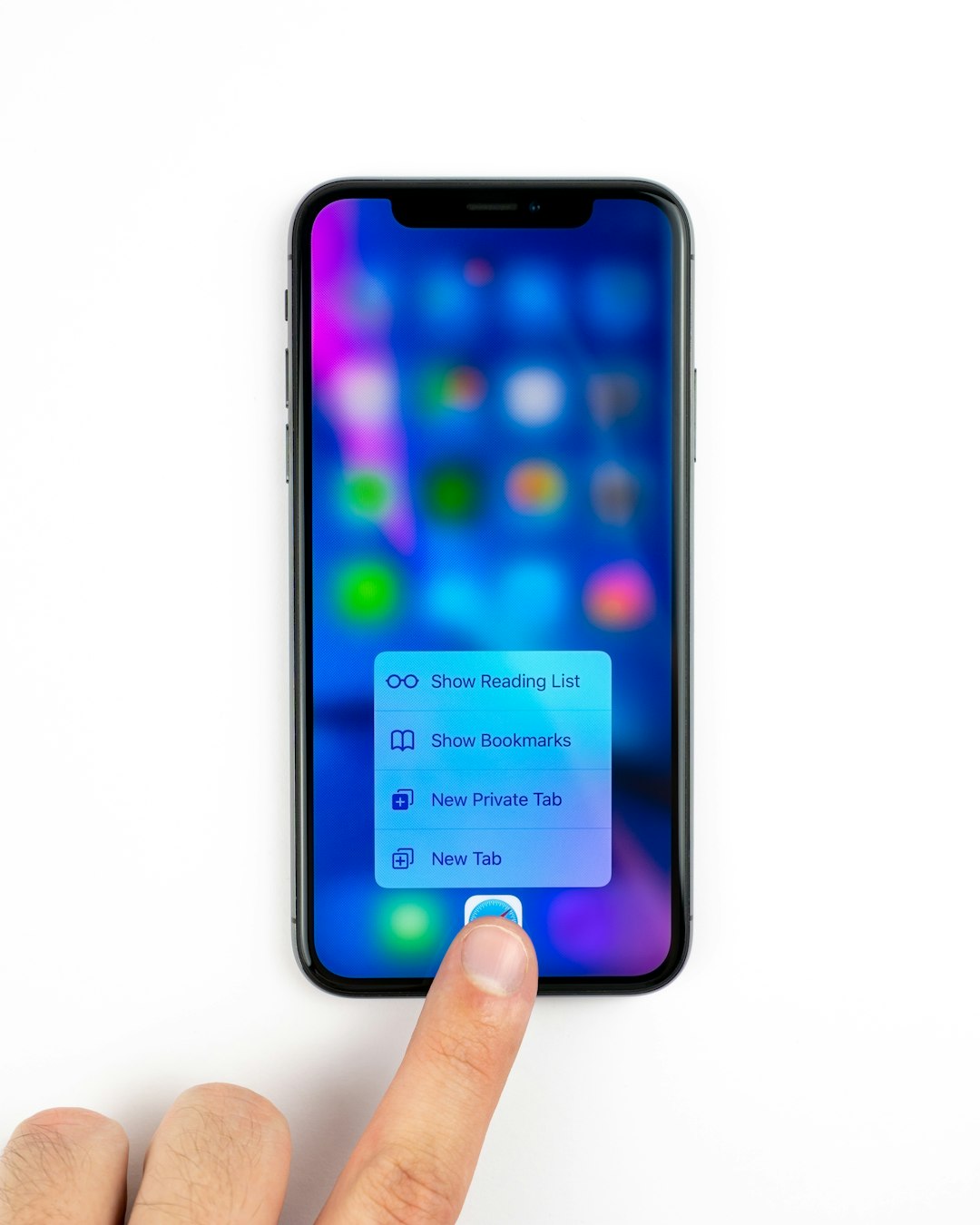
Why a Tinder Distance Might Change After the App Is Closed
A changing distance does not always mean Tinder is tracking someone live. Several explanations are possible. The app may be showing a last known location, refreshing information after the user reopened Tinder, or updating distance when the other person became active again.
For example, if someone used Tinder in one neighborhood, closed the app, then opened it later in another area, their location may update at that moment. Other users might then see the new approximate distance. This can create the impression that Tinder updated location while the app was closed, even though the update may have happened when the app was reopened.
Distance can also fluctuate because location data is not perfectly exact. GPS accuracy can vary indoors, in dense cities, during poor signal conditions, or when Wi Fi and mobile networks provide conflicting estimates.
Does Tinder Show Location When Someone Is Inactive?
Tinder may continue to show a profile based on that person’s most recent stored location. If someone has not opened the app for a while, their displayed distance may be outdated. The app does not necessarily remove or freeze every inactive profile instantly.
This means a profile can appear nearby even if the person has since traveled elsewhere, especially if Tinder has not received a newer location update. Likewise, someone who has recently opened the app in a new place may appear at a new distance fairly quickly.
What About Tinder Passport?
Tinder Passport, a paid feature, lets users manually set their location to another city or region. When Passport is active, the displayed location may not reflect the person’s physical location. Instead, it reflects the selected Passport location for matching and discovery purposes.
This can confuse distance assumptions. A user might seem to be located somewhere they are not physically present. In that case, the change is not caused by background GPS tracking; it is caused by a manual location feature inside Tinder.
How Users Can Control Tinder Location Updates
Anyone concerned about location updating can adjust device settings. The strongest controls are found in the phone’s privacy menu, not just inside Tinder.
- Review app permissions: Set Tinder to access location only while the app is in use, or deny access when not needed.
- Turn off precise location: If available, this may reduce location accuracy.
- Force close the app: This can stop the app from running until it is opened again.
- Disable location services: This prevents all apps from using GPS, though it affects maps, weather, and other services too.
- Log out or delete the app: This provides a stronger break from app activity, though account data may still exist on Tinder’s servers.
Privacy Takeaway
Tinder’s location behavior is best understood as permission based and activity based. The app normally updates location when it is opened and allowed to access location services. It usually does not track a fully closed or force quit app in real time.
Still, users may see distance changes because Tinder stores recent location data, refreshes information when the app is reopened, or uses manual location tools such as Passport. For anyone who wants to limit location updates, phone-level privacy settings are the most reliable option.
FAQ
Does Tinder track location all the time?
Not usually. Tinder generally relies on location access when the app is being used. Continuous real-time tracking while fully closed is not how it normally works.
Will Tinder update location if the app is force closed?
If Tinder is force closed, it typically will not update location until the app is opened again. The phone’s operating system usually prevents force closed apps from running normally in the background.
Can Tinder show an old location?
Yes. Tinder may display a user’s last known location if the app has not received newer location data. This can make a profile’s distance temporarily outdated.
Why did someone’s distance change on Tinder?
The person may have opened Tinder in a new place, the app may have refreshed their last known location, or GPS accuracy may have shifted. If they use Tinder Passport, the distance may reflect a chosen location rather than their physical one.
Can Tinder work without location permission?
Tinder requires location access for its core matching features. If location permission is denied, the app may ask for access or limit functionality.
How can someone stop Tinder from updating location?
They can deny Tinder location permission, set access to While Using the App, disable precise location, force close the app, or turn off device location services entirely.


Session Definition: What Is a Session in Computing?
A session in computing is a temporary interaction between a user, device, application, or server that starts at one point…