


Running a successful restaurant is a constant balancing act. Order too much inventory and you risk spoilage, waste, and cash flow problems. Order too little and you face menu shortages, unhappy customers, and lost revenue. In an industry where margins are often razor thin, effective inventory control can make the difference between thriving and merely surviving. That’s where modern restaurant inventory control software steps in—bringing automation, accuracy, and actionable insights to a traditionally manual process.
TLDR: Restaurant inventory control software helps operators reduce overstock and shortages by providing real-time tracking, automated purchasing, and accurate forecasting. It minimizes waste, tightens cost control, and improves cash flow. With features like recipe costing and vendor management, restaurants gain better visibility into their operations. The result is smarter decisions, lower food costs, and more consistent service.
In this article, we explore how inventory control software works, the key features that matter most, and how it helps restaurants eliminate costly mistakes while boosting efficiency.
Why Overstock and Shortages Are So Costly
Inventory problems don’t just affect storage shelves—they impact your entire operation.
- Overstocking leads to food spoilage, wasted ingredients, and tied-up capital.
- Understocking causes missed sales opportunities and frustrated guests.
- Poor visibility increases the risk of theft and portion control issues.
- Manual errors inflate food costs without anyone noticing immediately.
Restaurants that rely on spreadsheets or handwritten inventory lists often struggle with delayed reporting and inconsistent counts. By the time discrepancies are discovered, the damage is already done.
This is where automation transforms the game.
What Is Restaurant Inventory Control Software?
Restaurant inventory control software is a digital system designed to monitor, manage, and optimize food and supply levels. It integrates with point of sale (POS) systems, purchasing platforms, and accounting tools to provide real-time insights into stock usage and costs.
Instead of manually counting and calculating usage patterns, managers gain instant access to:
- Current stock levels
- Cost per ingredient
- Usage trends
- Variance reports
- Reorder alerts
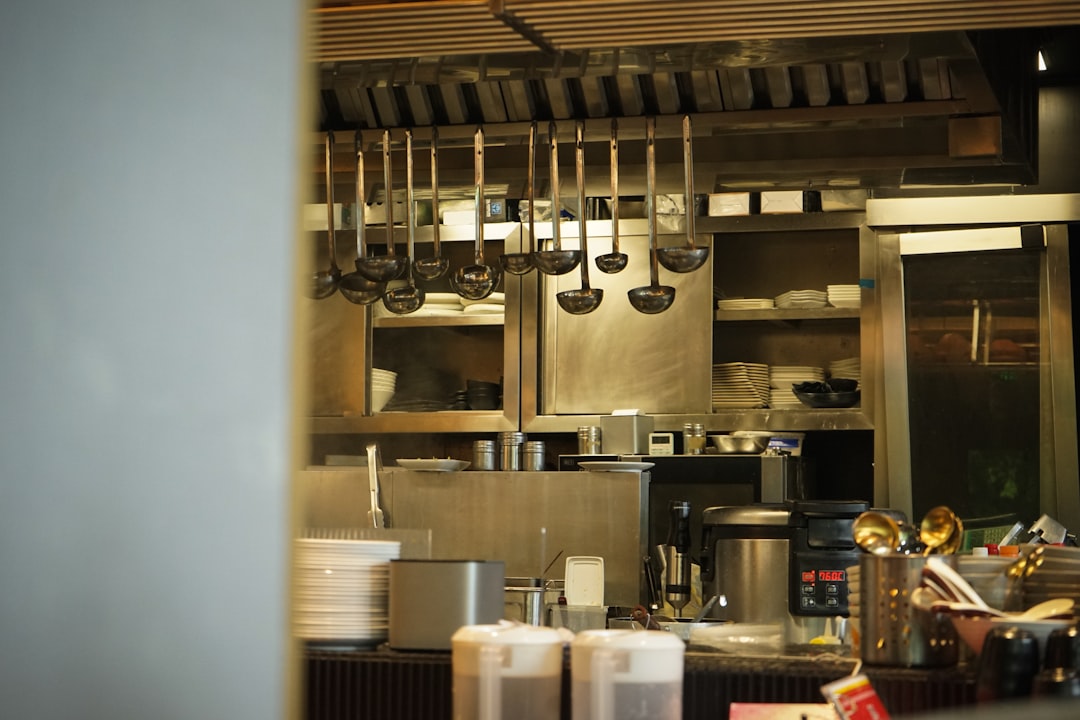
This centralized visibility allows restaurants to make proactive decisions rather than reactive ones.
How It Reduces Overstock
1. Accurate Forecasting
Advanced systems analyze historical sales data, seasonality trends, and menu demand to predict future inventory needs. Instead of guessing how much to order, operators rely on data-driven forecasts.
2. Automated Reordering
Many platforms allow users to set par levels—minimum stock quantities required for smooth operations. When levels drop near that threshold, the software automatically generates purchase orders.
3. Waste Tracking
By logging spoiled, expired, or discarded items, managers can identify patterns and adjust purchasing accordingly. Over time, this significantly reduces unnecessary bulk buying.
4. Vendor Optimization
Inventory systems often compare supplier prices and delivery schedules, ensuring restaurants aren’t over-ordering simply to meet vendor minimums.
The outcome is leaner storage, fresher ingredients, and healthier cash flow.
How It Prevents Shortages
While eliminating excess inventory is important, preventing shortages is equally crucial.
1. Real-Time Tracking
Integration with POS systems means inventory depletes automatically as menu items are sold. Managers can see stock movement hour by hour, not just during weekly counts.
2. Recipe-Level Deduction
Each dish is connected to precise ingredient quantities. When a burger is sold, the system deducts the exact grams of beef, buns, lettuce, and sauce used.
3. Low-Stock Alerts
Automated notifications ensure that critical ingredients are reordered before they reach dangerous levels.
4. Multi-Location Coordination
For restaurant groups, centralized dashboards allow managers to shift inventory between branches instead of placing emergency orders.

This level of responsiveness reduces panic buying and keeps menus consistent.
Key Features to Look For
Not all inventory systems are created equal. When evaluating solutions, consider these essential features:
- POS Integration – Automatic depletion tied to sales.
- Recipe Costing – Real-time food cost per dish.
- Mobile Accessibility – Count inventory from a tablet or phone.
- Waste Monitoring – Track spoilage and loss.
- Vendor Management – Compare pricing and manage purchase orders.
- Reporting & Analytics – Identify trends and profit leaks.
- Multi-Location Support – Centralized management for chains.
The goal is not just tracking inventory—but optimizing it.
Popular Restaurant Inventory Control Tools
Below is a comparison of well-known inventory control platforms used in the restaurant industry:
| Software | Best For | Key Strength | Integration Capabilities |
|---|---|---|---|
| MarketMan | Independent restaurants | User-friendly interface | POS and accounting integrations |
| Toast Inventory | Toast POS users | Deep POS integration | Native Toast ecosystem |
| Restaurant365 | Large restaurant groups | Accounting + inventory in one | Comprehensive financial integration |
| Upserve (Lightspeed) | Data-driven operators | Sales and inventory analytics | POS-focused integration |
Choosing the right platform depends on restaurant size, budget, and operational complexity.
The Financial Impact
Restaurants typically aim for food costs between 28% and 35% of revenue. Even small improvements in inventory control can significantly boost profitability.
Consider these financial benefits:
- Reduced Food Waste: Cutting spoilage by 3–5% can save thousands annually.
- Lower Carrying Costs: Less excess stock means better cash flow.
- Improved Portion Control: Accurate recipe tracking prevents over-serving.
- Decreased Theft and Shrinkage: Variance reports highlight inconsistencies quickly.
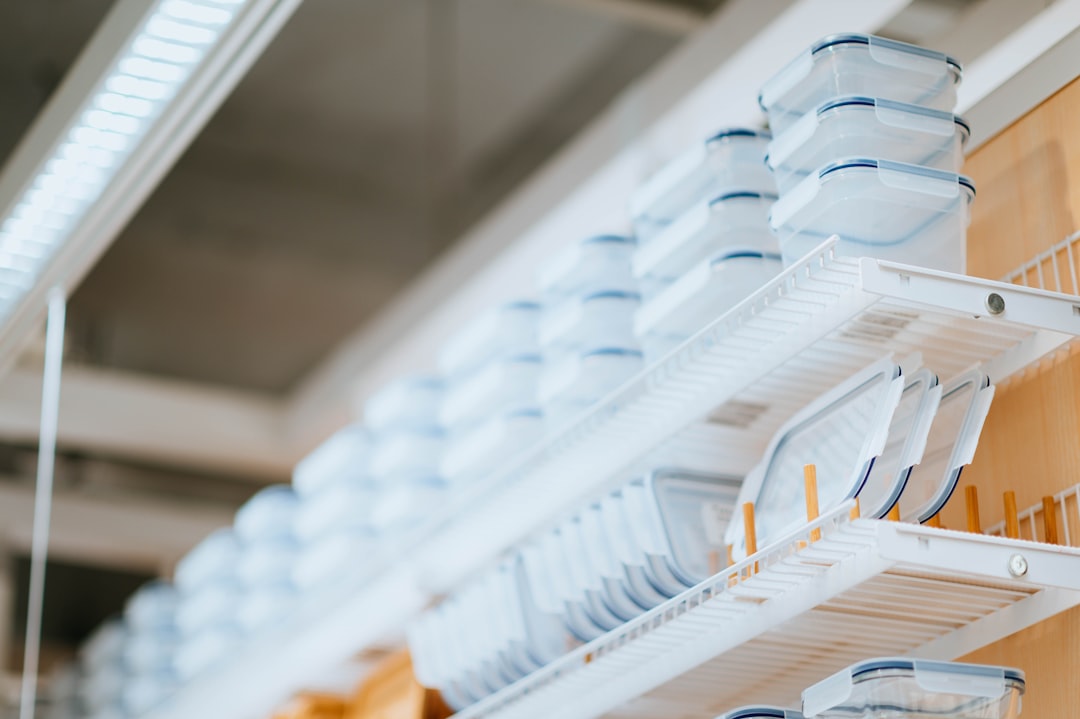
Over time, these efficiencies compound, creating a leaner and more predictable cost structure.
Implementation Best Practices
Simply purchasing software won’t guarantee results. Successful implementation requires strategic effort.
1. Conduct a Clean Starting Count
Before launch, perform a thorough physical inventory to establish accurate baseline data.
2. Standardize Recipes
Every menu item must have consistent measurements. Without standardization, digital tracking becomes unreliable.
3. Train Staff Properly
Kitchen managers and staff should know how to log waste, enter deliveries, and conduct counts accurately.
4. Review Reports Regularly
Weekly variance checks ensure discrepancies are addressed immediately rather than accumulating.
5. Refine Par Levels Seasonally
Adjust minimum stock levels based on seasonal demand shifts and menu updates.
Technology is a powerful tool—but discipline and consistency maximize its benefits.
Beyond Cost Control: Strategic Advantages
Inventory software doesn’t just prevent problems—it opens strategic opportunities.
- Menu Engineering: Identify high-profit, low-cost items and promote them strategically.
- Dynamic Pricing Decisions: Adjust menu prices based on fluctuating ingredient costs.
- Smarter Vendor Negotiations: Use purchasing data to secure better pricing.
- Sustainability Goals: Reduce waste and support environmentally responsible sourcing.
Restaurants that leverage data effectively often outperform competitors who rely solely on intuition.
Common Myths About Inventory Software
“It’s only for big chains.”
Modern platforms are scalable and affordable for small independent restaurants.
“Manual systems are cheaper.”
While spreadsheets cost less upfront, hidden losses from inaccuracy can far exceed software fees.
“It’s too complicated for staff.”
Most systems are designed with intuitive dashboards and mobile-friendly interfaces.
In reality, the cost of not adopting better inventory practices is often much higher.
The Future of Restaurant Inventory Management
The next generation of inventory systems is becoming even smarter. Artificial intelligence is improving demand forecasting accuracy. Predictive analytics are identifying risk factors before they become crises. Some platforms are even incorporating IoT integrations, such as smart scales and temperature-monitored storage.
As technology evolves, the gap between data-driven restaurants and traditional operators will continue to widen.
Final Thoughts
Restaurant inventory control software is no longer a luxury—it’s an operational necessity. By reducing overstock and preventing shortages, these systems protect margins, improve consistency, and empower smarter decision-making.
In an industry where small inefficiencies can quickly erode profits, visibility equals control. And control leads to sustainability, profitability, and growth.
For restaurants ready to move beyond guesswork, embracing inventory automation might be one of the most impactful decisions they can make.

Is Replit Worth It? Replit vs Cursor for AI-Assisted Development
Replit is worth it for students, prototypes, demos, and small apps that need to run in a browser fast; Cursor…