


Choose Meltwater if your brand measurement reporting is tied closely to PR, earned media, and executive-ready coverage summaries; choose Brandwatch if your reporting depends on deep social listening, audience analysis, and granular consumer insight. Both platforms can report on brand health, but they are built with different strengths. The better choice depends on whether your team answers more questions from communications leaders or from insights, social, and consumer research teams.
TLDR: Meltwater is usually the safer fit for PR-led brand measurement, especially when reports need news coverage, media reach, sentiment, and share of voice in one board-ready view. Brandwatch is stronger for social-first measurement, complex queries, audience segmentation, and trend analysis. For example, a skincare brand tracking 58,000 monthly mentions across TikTok, Instagram, X, forums, and news might use Brandwatch to identify that 31% of negative posts mention packaging, while Meltwater may be better for showing that earned media coverage rose 22% quarter over quarter after a product launch.
What brand measurement reporting should actually prove
Good brand reporting should not be a pile of vanity numbers. It should explain whether awareness, perception, and competitive position are improving. That means tracking metrics that connect communication activity to brand outcomes.
The core metrics usually include:
- Share of voice: how often your brand is mentioned compared with competitors.
- Sentiment: positive, neutral, and negative tone across media and social channels.
- Reach and impressions: estimated audience exposure.
- Engagement: likes, comments, shares, reposts, and saves.
- Message pull-through: how often key campaign messages appear in coverage or posts.
- Topic and theme analysis: the subjects people connect with your brand.
- Influencer and journalist impact: who is shaping the conversation.
- Competitive benchmarking: how your brand performs against named rivals.
The real test is whether the platform helps turn these metrics into a clear story. “Mentions increased” is not enough. A serious report should say why they increased, who drove the change, and whether the shift helped or hurt brand perception.
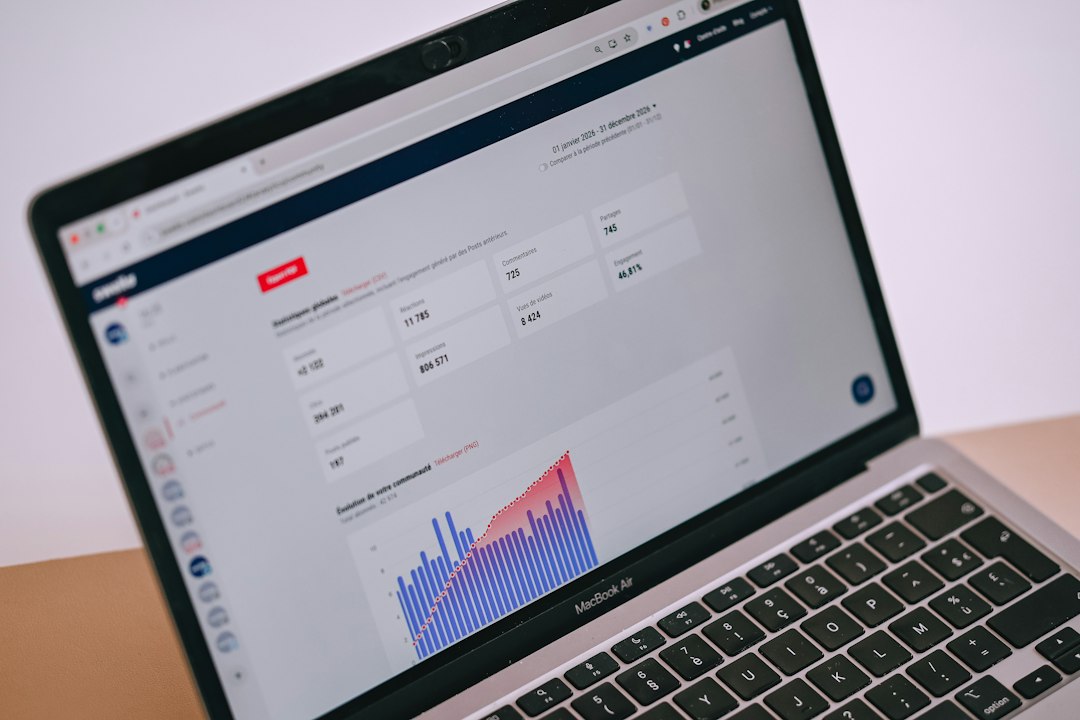
Meltwater for brand measurement reporting
Meltwater has long been associated with media intelligence, PR monitoring, and earned media reporting. Its strongest use case is tracking brand visibility across online news, broadcast, print, blogs, podcasts, and social sources. For communications teams, that mix matters. A CMO may ask about social buzz, but the PR director still needs to know which outlets covered the brand and whether the coverage included approved messages.
Meltwater reporting is useful when teams need a clean summary of:
- Media mentions by region, outlet, author, and source type.
- Estimated reach and potential audience size.
- Sentiment by publication or campaign.
- Share of voice against competitors.
- Top stories, top journalists, and high-impact coverage.
- Campaign reporting for launches, events, and crisis response.
Its dashboards are often easier for PR stakeholders to read. Reports can be packaged in a way that works for executives who do not want to inspect every mention. That is a practical advantage. Nobody wants to spend Friday afternoon explaining a messy export to the board.
The catch is that Meltwater can feel less flexible when the research question gets more complex. If you need advanced audience clustering, deeper social behavior analysis, or highly detailed conversation mining, expect more setup and more manual checking. Sentiment also needs review. Like most automated sentiment tools, it can misread sarcasm, regional slang, and industry-specific language.
Brandwatch for brand measurement reporting
Brandwatch is built for social listening and consumer intelligence. It is especially strong when the brand measurement question starts with what people are saying, feeling, buying, rejecting, or comparing. For social teams, insight teams, and agencies, that depth can be valuable.
Brandwatch tends to perform well for:
- Advanced Boolean queries and topic filtering.
- Consumer trend detection across social and web sources.
- Audience segmentation by interests, demographics, and behaviors where data is available.
- Emotion, sentiment, and topic analysis.
- Competitor tracking across campaigns and product lines.
- Visual and logo-related brand monitoring in supported sources.
Brandwatch is often better when you need to answer questions such as: Which customer segment is criticizing the new pricing? Which product feature is driving positive conversation? Are people comparing us to Competitor A or Competitor B more often?
Honestly, it feels like Brandwatch rewards teams that know exactly what they are looking for. That is good for experienced analysts. It can be less pleasant for a small marketing team that simply wants a weekly brand health report without building detailed query logic.

Metric by metric comparison
| Metric | Meltwater | Brandwatch |
|---|---|---|
| Earned media coverage | Strong for PR reporting, outlet tracking, and media summaries. | Useful, but not usually the main reason teams choose it. |
| Social listening | Good for standard monitoring and reporting. | Stronger for complex queries, trends, and social insight. |
| Sentiment analysis | Good for high-level reporting, but should be validated. | More useful when paired with topic and audience analysis. |
| Share of voice | Strong across earned media and PR contexts. | Strong across social and consumer conversation tracking. |
| Executive reporting | Often easier to package for communications leaders. | Better for insight-heavy reports, but may need more explanation. |
| Audience insight | Useful, but not its strongest area. | One of its main advantages. |
Where Meltwater is the better choice
Meltwater is better when your primary reporting audience is PR, corporate communications, public affairs, or the executive office. It is suited to monthly and quarterly brand reports where leadership wants a clean read on media visibility, message pickup, reputational risk, and competitor presence.
For example, a B2B software company running a funding announcement may care most about whether trade outlets, business press, and regional media covered the story. Meltwater can show which publications mentioned the brand, which quoted the CEO, and whether the coverage repeated the main growth message. That is practical brand measurement.
Where Brandwatch is the better choice
Brandwatch is better when brand reporting depends on social behavior and consumer perception. It is a strong option for brands with high conversation volume, active online communities, or frequent product feedback on social platforms.
A beverage company launching a new flavor, for instance, may want to know whether complaints are about taste, price, packaging, or availability. Brandwatch can help break that conversation into useful themes. If 18% of negative mentions relate to “too sweet” and 12% relate to “hard to find,” the marketing and distribution teams get separate action points.

Common reporting traps
Both tools can produce attractive charts. That does not mean the report is accurate or useful. The biggest risk is treating automated metrics as final truth.
- Sentiment scores need human review. Automated tools still miss context.
- Reach is often an estimate. Do not present it as confirmed exposure.
- Share of voice depends on query quality. Weak competitor queries distort the result.
- Volume is not reputation. A spike in mentions may signal a crisis, not success.
- Dashboards need business context. Charts without interpretation waste time.
Final recommendation
If your brand measurement reporting is mainly about earned media, PR impact, coverage quality, and executive communications, Meltwater is the stronger fit. If your reporting is mainly about social conversation, audience behavior, consumer sentiment, and emerging trends, Brandwatch is the better option.
For larger organizations, the decision may not be either-or. Some teams use Meltwater for communications reporting and Brandwatch for consumer intelligence. That can work, but only if metric definitions are consistent. A “mention,” “reach,” or “positive sentiment” score should mean the same thing across reports, or leadership will lose trust fast.
The serious answer is simple: choose the platform that matches the questions your team must answer every month. Meltwater explains media impact well. Brandwatch explains consumer conversation well. The best brand measurement report may use either tool, but it must still be built on clean queries, reviewed data, and honest interpretation.


ProxyCroxy Review: Features and How It Works
ProxyCroxy is best viewed as a quick browser based proxy for opening blocked websites, checking region restricted pages, or browsing…